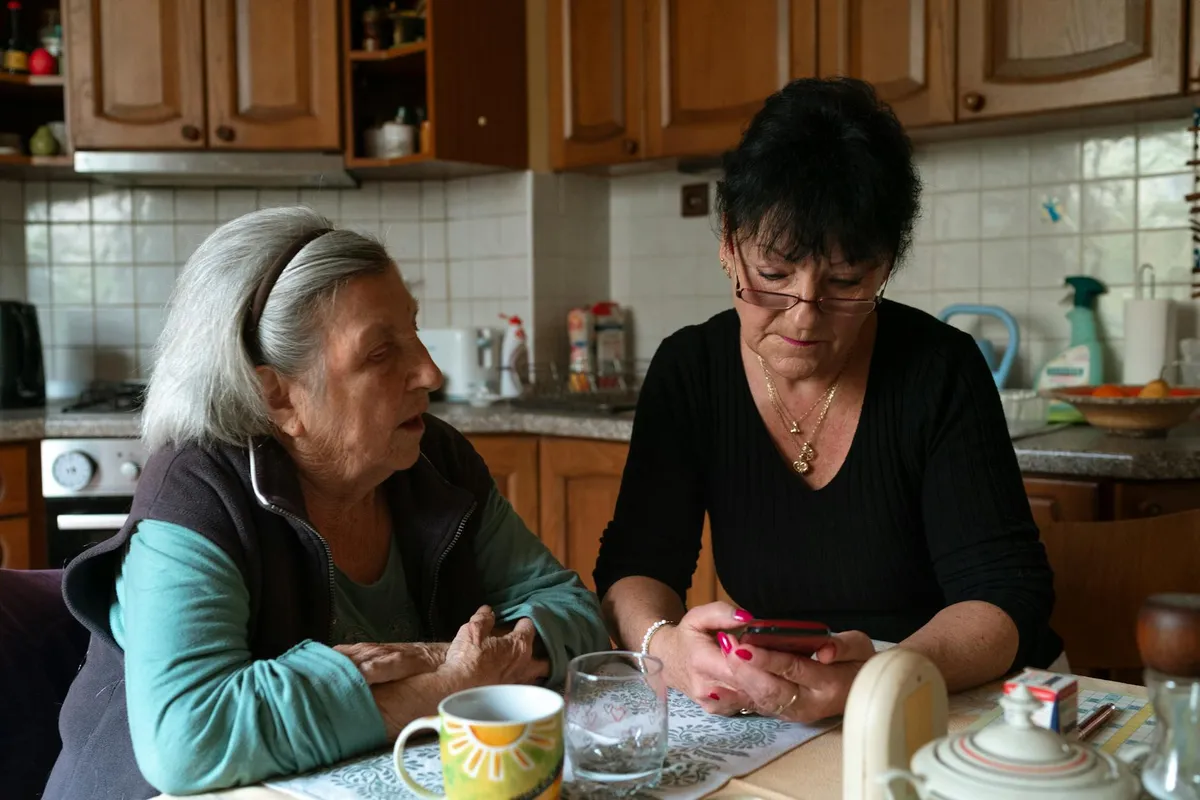
She was three months into running her 6-bed care home when her best caregiver quit. No warning, no two weeks notice, just a text on a Sunday night saying she had taken a job at the hospital for two dollars more an hour. The operator spent the next six weeks covering overnight shifts herself, interviewing candidates who did not show up, and wondering if she had made a terrible mistake opening the home.
Every small care home operator has a version of this story. Staffing is the hardest part of the business. It is harder than licensing, harder than marketing, harder than managing finances. Finding people who are skilled, reliable, and genuinely kind to vulnerable adults, and then keeping those people on your team year after year, is the challenge that defines whether a small home thrives or merely survives.
This guide is practical advice for operators who are hiring, training, and trying to hold onto the caregivers who make their homes work.
The caregiver shortage and why it hits small homes hardest
The United States has a structural shortage of direct care workers. The Bureau of Labor Statistics projects that demand for home health and personal care aides will grow by roughly 22 percent through 2032, making it one of the fastest-growing occupations in the country. Supply is not keeping pace.
The reasons are straightforward. The work is physically demanding, emotionally taxing, and historically underpaid. The median hourly wage for personal care aides is approximately $16 per hour nationally. Many caregivers earn less than retail or fast food workers while doing work that requires far more skill, patience, and emotional labor.
Small care homes feel this shortage acutely because they compete for the same workers as hospitals, nursing homes, assisted living chains, and home health agencies, all of which can often offer higher wages, benefits packages, and defined career paths. A 6-bed home run by an owner-operator does not have an HR department, a benefits administrator, or a recruitment budget.
What small homes do have is something many caregivers value deeply: meaningful work in an intimate setting where they know every resident by name, where they are not just a number on a staffing grid, and where the work they do visibly matters every single day. That advantage is real, but only if the operator cultivates it intentionally.
Where to find caregivers
The best caregivers for small care homes rarely come from job boards. They come from relationships and community networks.
Word of mouth from current staff. Your existing caregivers know other caregivers. Offer a referral bonus, $200 to $500 paid after the new hire completes 90 days, and make it easy for staff to refer people they trust. This is consistently the highest-quality recruitment channel for small homes.
CNA and caregiver training programs. Community colleges, vocational schools, and private training programs graduate new Certified Nursing Assistants and personal care aides regularly. Contact program directors in your area and ask to post opportunities or speak to graduating classes. New graduates are often enthusiastic, trainable, and looking for their first caregiving position. The American Health Care Association maintains resources about CNA workforce programs.
Church and faith community networks. Many caregivers are drawn to the work by a sense of vocation or service. Post openings in church bulletins, at community centers, and through faith-based organizations in your area.
Immigrant communities. In many parts of the United States, immigrant communities are a primary source of dedicated caregivers. Filipino, Mexican, Central American, Ethiopian, and other immigrant communities have strong traditions of elder care. Connect with community organizations, cultural centers, and ESL programs. Be prepared to support workers through any required credentialing or training.
Local caregiver registries and state workforce databases. Some states maintain registries of trained caregivers. Check with your state licensing agency to see if a registry exists in your state.
Home health agencies (for part-time or per-diem needs). When you have a gap to fill temporarily, a home health staffing agency can provide per-diem workers. This is expensive and should not be your primary staffing model, but it can bridge a vacancy while you recruit a permanent hire.
Online job postings. Indeed, Craigslist, and Facebook Jobs can generate applicants, but the quality is inconsistent and you will spend significant time screening. If you post online, write a specific and honest description of the job, the setting, and the schedule. Generic postings attract generic applicants.
The hiring process
Hiring well is the single most important thing you can do to reduce turnover and protect your residents. Rushing this process because you are short-staffed is understandable, but it almost always leads to a worse outcome.
Start with the phone screen. A brief phone call (10 to 15 minutes) saves hours of in-person interviewing. Ask about their experience, their availability, why they want to work in a small home, and whether they can pass a background check. Listen for warmth, reliability, and genuine interest. If the person cannot show up for a phone call on time, they will not show up for a shift on time.
Conduct an in-person interview at the home. This is important. Invite the candidate to the care home during a normal operating period so they can see the environment, meet the residents, and observe the daily routine. Watch how they interact with the residents who are present. Do they make eye contact? Do they speak to them naturally? Do they seem comfortable? A candidate’s instinctive behavior around elderly people tells you more than any resume.
Ask the right questions. Beyond experience and credentials, ask scenario-based questions. “A resident refuses to take their medication. What do you do?” “You notice a coworker being rough during a transfer. How do you handle it?” “A family member calls you upset because their mother has a bruise. Walk me through that conversation.” These questions reveal judgment, communication skills, and values.
Check references thoroughly. Call every reference. Ask former employers specifically about reliability, punctuality, interactions with residents, ability to follow care plans, and whether they would rehire the candidate. A vague or lukewarm reference is a warning sign.
Run background checks. Every state requires criminal background checks for care home staff. Many require fingerprinting and checks through both state and federal databases. Do not skip this step and do not hire anyone before the results come back. The Office of Inspector General maintains an exclusion list of individuals who are prohibited from working in federally funded health care programs.
Look beyond credentials. A CNA certificate proves someone completed a training course. It does not prove they are kind, patient, or reliable. The most important qualities in a caregiver for a small home are empathy, consistency, the ability to work independently, good judgment under pressure, and genuine respect for elderly people. Skills can be taught. Character cannot.
Training and onboarding
A new caregiver’s first two weeks set the tone for their entire tenure. Invest heavily in this period.
State-required training. Every state has minimum training requirements for caregivers in licensed residential care homes. California requires RCFE staff to complete initial training that includes personal care, safe lifting, dementia care, medication management, and abuse reporting. Washington requires caregivers in adult family homes to obtain caregiver certification within a defined timeline. Florida requires specific core training hours. Know your state’s requirements and ensure every new hire completes them on schedule. Check with your state licensing agency for current requirements, and review our guide to care home inspection preparation to understand what surveyors look for regarding staff training records.
Home-specific orientation. Beyond state requirements, train every new hire on your home’s specific routines, care plans, emergency procedures, medication protocols, documentation requirements, and house rules. Create a written orientation checklist and work through it systematically over the first week.
Shadow shifts. New caregivers should work alongside an experienced staff member for at least three to five shifts before working independently. During shadow shifts, the new hire observes, assists, and gradually takes on responsibilities under supervision. This is where they learn the individual needs, preferences, and personalities of each resident.
Resident introductions. Introduce the new caregiver to every resident personally. Spend time reviewing each resident’s care plan, preferences, history, and family dynamics. In a 6-bed home, this can happen in a single afternoon. It is one of the most valuable investments you can make.
Emergency procedure drills. Walk through what to do in case of a fall, a medical emergency, a fire, a power outage, and an aggressive behavior episode. Do not assume people know what to do just because they have done this work before. Every home is different.
Ongoing training. Schedule regular training throughout the year. Many states require annual continuing education hours. Use these requirements as an opportunity, not just a compliance task. Dementia care techniques, pain recognition in nonverbal residents, fall prevention, infection control, and medication management are all topics that benefit from ongoing education.
Compensation: how small homes can compete
You cannot match the wages and benefits of a large hospital system. You probably cannot match the wages of a big assisted living chain. But you can build a compensation package that is competitive in your local market and that reflects the unique value of working in a small home.
Pay at or above market rate. Research what local employers pay caregivers and aim to be competitive. If the going rate in your market is $16 per hour, offering $15 will cost you in turnover. Offering $17 or $18 will cost more per hour but save you thousands in recruitment, training, and overtime for unfilled shifts.
Provide annual raises. A caregiver who has been with you for a year and is performing well deserves a raise. Annual increases of $0.50 to $1.50 per hour retain experienced staff and signal that you value loyalty. The cost of a raise is almost always less than the cost of replacing the person.
Offer paid time off. Even if you cannot offer a corporate-style PTO package, providing some paid sick days and vacation days matters enormously to workers who live paycheck to paycheck. Start with five paid days per year and increase with tenure.
Provide meals during shifts. Caregivers in small homes often eat with the residents. This is one of the simplest and most appreciated benefits you can offer. A home-cooked meal during every shift saves the caregiver $5 to $10 per day and reinforces the family atmosphere.
Maintain consistent schedules. Predictable schedules are one of the most valued benefits in direct care work. Caregivers who know their schedule two to four weeks in advance can plan their lives, arrange childcare, and take on other commitments. Last-minute schedule changes and unpredictable shifts are a top driver of turnover.
Offer training and growth opportunities. Pay for continuing education courses, CPR certification renewals, and specialized training in areas like dementia care or hospice support. Some operators help promising caregivers pursue CNA certification or other credentials. This investment pays dividends in skill level, loyalty, and pride.
Flexibility. Small homes can offer scheduling flexibility that large facilities cannot. If a caregiver needs to pick up their child at 3 p.m. on Wednesdays, you may be able to adjust their shift. This kind of accommodation builds loyalty that no large employer can replicate.
Building a culture that keeps people
Compensation gets people in the door. Culture keeps them.
The research is consistent. A PHI national survey of direct care workers found that respect, meaningful work, and supportive supervision matter as much as or more than wages in determining whether caregivers stay in their jobs. Small homes are uniquely positioned to deliver these things.
Know your staff as people. In a small home, you work alongside your caregivers every day or every week. Know their names, their families, their challenges, and their goals. Ask how they are doing and listen to the answer.
Recognize good work. A genuine thank you after a hard shift costs nothing and means everything. Recognize staff publicly for specific things: the way they calmed Mr. Chen during a difficult evening, the extra attention they gave to Mrs. Ramirez’s family during a visit. Specificity makes recognition meaningful.
Set clear expectations. Ambiguity breeds frustration. Provide written job descriptions, clear care plans, documented procedures, and consistent standards. When expectations are clear, people can meet them. When expectations are unclear, good people feel set up to fail.
Involve caregivers in care planning. Your caregivers spend more time with the residents than anyone else. They notice things the physician misses. They understand preferences that families do not articulate. Include them in care plan reviews and value their observations. This is not just good management. It is good care.
Manage conflict promptly. In a team of three to five people working in close quarters, interpersonal friction is inevitable. Address it directly, privately, and quickly. Do not let resentments fester. Do not play favorites. Do not tolerate gossip or disrespect.
Protect workloads. Burnout drives turnover. If your caregivers are consistently working double shifts, skipping breaks, or managing more residents than they can reasonably handle, they will leave. Manage staffing levels so that the workload is sustainable. If you need another hire, make that investment before you lose the staff you have.
Create team rituals. Monthly team meals, brief daily huddles, birthday acknowledgments, and annual appreciation gestures build cohesion. In a home with three to five staff members, these rituals do not need to be elaborate. They just need to be consistent.
Scheduling for a 6-bed home
Coverage is the logistical core of staffing. A 6-bed home needs someone awake and present 24 hours a day, 7 days a week. That is 168 hours per week.
A common scheduling model for a 6-bed home uses three shifts.
Day shift (7 a.m. to 3 p.m.): This is the busiest shift. Morning care, breakfast, medications, activities, lunch, and appointments. One to two caregivers depending on acuity.
Evening shift (3 p.m. to 11 p.m.): Dinner, evening medications, bathing, bedtime routines. One caregiver, possibly with the operator present for part of the shift.
Overnight shift (11 p.m. to 7 a.m.): Monitoring, repositioning, responding to nighttime needs. One awake caregiver. For more on how nighttime care works in small homes, see our guide to nighttime care.
At one caregiver per shift with no overlap, that is 168 staff hours per week. A single full-time employee works 40 hours. You need a minimum of 4.2 FTEs to cover all shifts with no days off and no overlap, which means in practice you need 5 to 6 part-time or full-time staff members to account for days off, sick days, and vacation.
Build backup plans. What happens when someone calls in sick at 6 a.m.? Have a list of per-diem or on-call staff who can cover on short notice. Some operators cross-train a reliable family member or neighbor as an emergency backup. The worst outcome is having no one available and being forced to work a double shift yourself, which is unsustainable.
Schedule two weeks ahead. Post the schedule at least two weeks in advance. Allow shift swaps between staff as long as they notify you and both parties agree. Use a simple scheduling tool or even a shared calendar to keep everyone informed.
When to let someone go
Firing someone is one of the hardest things an operator does. In a small home, it is also one of the most important.
Do not keep a caregiver who:
- Is neglectful, rough, or disrespectful to residents
- Lies about care provided or falsifies documentation
- Shows up late repeatedly after being counseled
- Fails to follow care plans or medication protocols
- Creates a toxic environment for other staff
- Violates any mandatory reporting requirements
- Fails a background check or drug screening
Document performance issues as they occur. Written documentation protects you legally and provides clarity if the termination is challenged. Note the date, what happened, what was discussed, and what the expected improvement looks like.
When you decide to terminate, do it promptly and directly. Meet in person, state the reason clearly, provide any required final paycheck, collect keys and any property, and handle it with as much dignity as possible. Do not drag it out, and do not broadcast the reasons to other staff or residents.
Then shift your attention immediately to coverage. Who will take the terminated person’s shifts this week? Do you need to bring in a per-diem worker? Can other staff pick up extra hours temporarily?
The instinct to keep an underperforming caregiver because you are afraid of the staffing gap is understandable. Resist it. A bad caregiver does more damage to your home, your residents, and your other staff than a temporary vacancy.
The owner-operator as team leader
In a small care home, the operator is not a distant manager reviewing reports from an office. You are working beside your staff, eating meals with the residents, answering the phone at midnight. Your behavior sets the standard for everything.
If you are frazzled, disorganized, and short-tempered, your staff will mirror that energy. If you are calm, clear, and consistent, they will mirror that instead.
Model the behavior you expect. If you expect caregivers to speak respectfully to residents, speak respectfully yourself. If you expect them to follow care plans meticulously, follow them yourself. If you expect them to show up on time, be on time.
Be available. Your staff need to be able to reach you when something goes wrong at 2 a.m. They need to know you will back them up when a family member is upset. They need to know you will listen when they have a concern about a resident.
Invest in yourself. Operator burnout is a direct threat to staff retention. If you are exhausted, you become a worse leader, and your best people leave. Protect your own schedule, take days off, and build a team that can function without you for short periods. Our guide on starting a care home covers the broader business foundation that makes sustainable operations possible.
Ask for feedback. Periodically ask your staff what is working and what is not. You do not need a formal survey. A simple conversation over coffee can surface issues before they become resignations.
Building a pipeline
The best time to recruit is before you have an opening. Staffing crises happen when a caregiver gives notice and you have no one in the pipeline.
Keep applications on file. When a good candidate applies and you do not have an opening, tell them honestly and keep their information. Call them first when a position opens.
Stay connected to training programs. Visit local CNA programs once or twice a year. Build relationships with instructors. Some programs allow operators to mentor students, which can turn into a hiring advantage.
Maintain your reputation. In the caregiving world, word travels. A home that treats staff well gets referrals from other caregivers. A home that burns through people develops a reputation that makes recruiting increasingly difficult.
Market your workplace, not just your beds. When you market your care home to families, you are also marketing it to potential employees. A well-maintained website, a clean and welcoming home, and positive word of mouth attract both residents and staff.
Listing your home on directories where families search, and claiming your listing so the information is accurate, also signals to potential employees that you run a professional operation.
What to do next
If you are struggling with staffing right now, take three immediate steps. First, calculate whether your compensation is competitive by calling three to five local employers and asking what they pay caregivers. If you are below market, raise your rates. Second, ask your current staff if they know anyone who might be a good fit and offer a meaningful referral bonus. Third, contact the nearest CNA training program and ask about upcoming graduates.
If you are planning to open a new home, build your staffing plan and budget before you apply for a license. Know what you will pay, how many people you need, where you will find them, and what your backup plan is when someone quits.
The caregivers who work in your home are the ones who hold your residents’ hands, cook their meals, and sit with them through the hardest moments of their lives. Finding those people and keeping them is not just a business problem. It is the foundation of everything else.