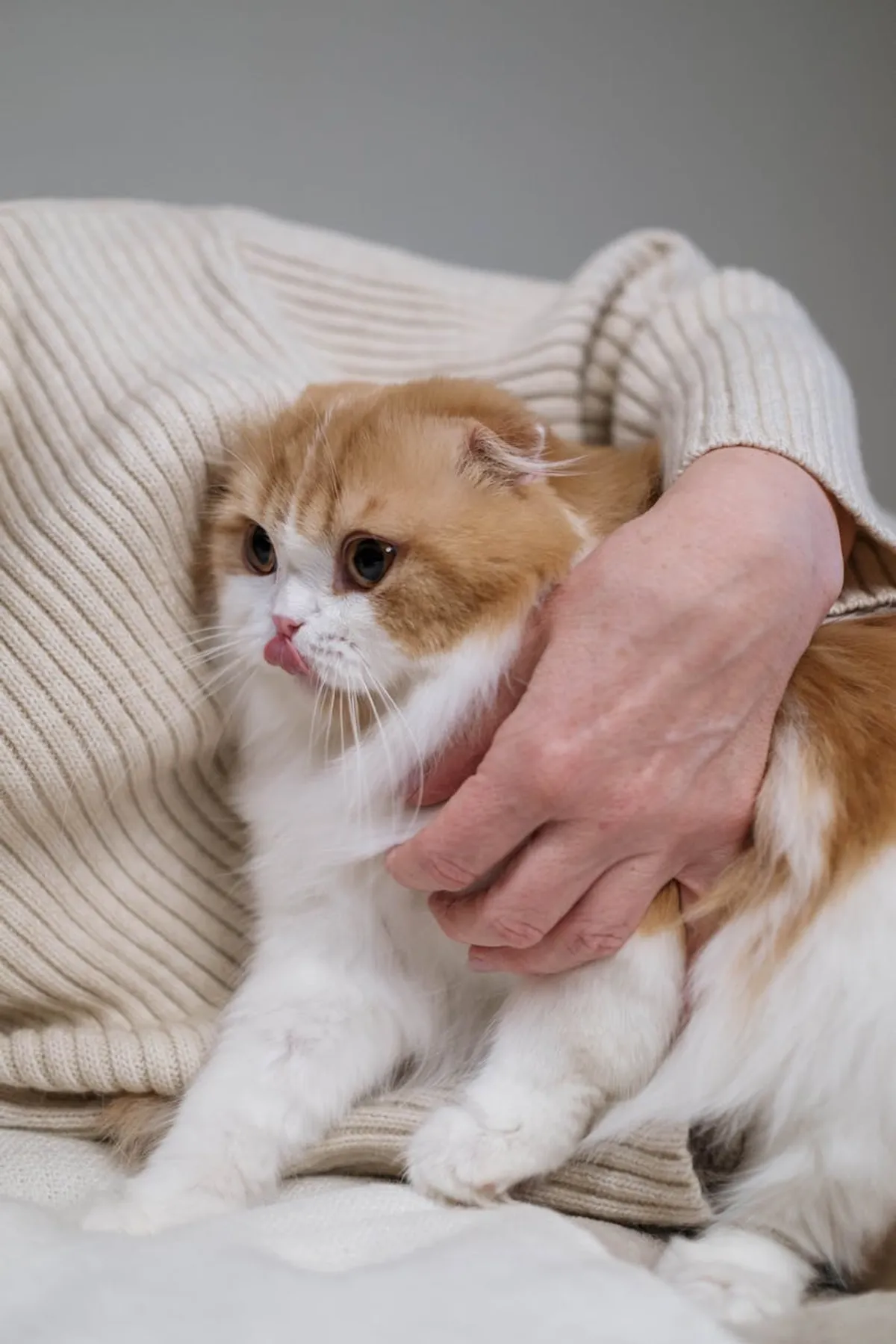
The dog your mother has had for nine years is not a luxury. It is the relationship she will grieve most if she loses it. The cat that sleeps on your father’s bed is the reason he gets up in the morning. For many older adults, the bond with a pet is not sentimental. It is structural. It holds up the architecture of the day.
When families begin looking at small residential care homes, the pet question often comes up late, after they have already toured two or three places and realized they forgot to ask. This guide covers everything families need to know about pets in care homes: the real health benefits, the three models of pet-friendly care, the policies that matter, and the questions you should bring on every tour.
Why pets matter so much in late life
The research on companion animals and aging is extensive, and the findings are consistent. Regular interaction with a pet is associated with lower blood pressure, reduced cortisol levels, and decreased feelings of loneliness. A 2019 systematic review published in the International Journal of Environmental Research and Public Health found that pet ownership among older adults was associated with better self-reported health, more physical activity, and fewer visits to the doctor.
But the numbers only tell part of the story. What pets provide, and what is hardest to replicate with any other intervention, is a sense of being needed. Feeding the cat. Walking the dog. Talking to the bird. These tasks create a rhythm to the day that does not depend on anyone else’s schedule. They give purpose to someone whose daily responsibilities have been gradually stripped away by age, illness, and the well-meaning help of others.
For residents living with depression or anxiety, that sense of purpose can be genuinely therapeutic. Pets do not care whether you remember what day it is. They do not require you to hold a conversation. They ask for very little and offer affection without conditions. In a care setting where nearly everything is managed by someone else, the ability to care for another living thing can restore a feeling of agency that is otherwise hard to come by.
For residents with dementia, the benefits are especially notable. Animals can reduce agitation, encourage verbal communication, and provide sensory stimulation that other activities cannot match. A dog sitting in a resident’s lap is not a medical intervention, but the calming effect is real and observable.
Three models of pets in care homes
Not every pet-friendly home looks the same. There are three distinct models, and the differences matter.
Model 1: The resident brings their own pet
This is the arrangement most families hope for. The resident moves into the home and brings a beloved cat or small dog along. It preserves the bond, avoids the grief of separation, and makes the transition to care significantly easier.
The reality is that this model is available in some small homes but far from universal. Homes that allow personal pets almost always have restrictions: size limits (often 20 pounds or under), breed restrictions, behavioral requirements (the animal must be housebroken, non-aggressive, and reasonably quiet), and a limit on the number of animals per household. Most homes that accept personal pets do so for cats and small dogs only. Birds, fish, and caged animals are sometimes allowed with prior approval.
The key practical questions are who is responsible for the animal’s daily care, who pays for veterinary expenses, and what happens when the resident can no longer manage the pet on their own. In most arrangements, the resident or their family is responsible for all pet-related costs and for arranging veterinary care. The home’s caregivers may help with feeding or letting the dog out, but that help is usually informal and not guaranteed in the care agreement. If the resident’s cognitive or physical condition declines to the point where they cannot interact safely with the pet, the family is typically expected to find a new home for the animal.
Model 2: The home has its own pets
Some care home operators keep a house dog, a house cat, or both. The animal belongs to the home, not to any individual resident, and the operator is responsible for all care, feeding, and veterinary expenses. Residents benefit from daily interaction with the animal without the logistics of pet ownership.
This is a more common model than it might seem. Many small care homes are family-operated residences, and the family’s own dog or cat simply lives in the house. The animal is not a program or a therapy tool. It is just part of the household, which is part of what makes the experience feel like home rather than a facility. If you have read about what a typical day looks like in a small care home, you can picture how naturally a house pet fits into that rhythm.
The advantage of this model is simplicity. There is no question about who is responsible. The disadvantage is that you cannot choose the animal, and if a resident has a strong bond with their own pet, a house cat is not a substitute.
Model 3: Scheduled pet therapy visits
Pet therapy, formally known as animal-assisted therapy or animal-assisted activities, involves trained animals and handlers visiting the home on a regular schedule. The animals are screened for temperament, vaccinated, and insured. The visits are typically weekly or biweekly and last 30 to 60 minutes.
Pet therapy has a solid evidence base, particularly for residents with dementia and those experiencing social isolation. The Human Animal Bond Research Institute maintains a comprehensive library of peer-reviewed studies documenting the benefits of structured animal-assisted interventions in care settings.
This model works well for homes that cannot accommodate live-in animals due to allergies, insurance restrictions, or licensing rules. It provides many of the emotional benefits without the operational complexity. But it is not a substitute for the daily presence of a companion animal. A weekly visit from a therapy dog is not the same as a cat that sleeps on the foot of your bed every night.
The small home advantage
Large assisted living facilities face significant logistical barriers to allowing personal pets. A 100-bed facility cannot manage 30 cats. Insurance liability is a concern. Housekeeping costs escalate. The building codes for institutional settings often restrict animals in common areas.
Small residential care homes have a structural advantage here. A six-bed home is a house. One cat or one small dog in a house is not a logistical challenge. The operator knows every resident, can manage the animal’s interaction with the household, and can make judgment calls that a facility administrator cannot. The flexibility of small care homes extends to many areas of daily life, and pet policies are one of the clearest examples.
That said, not every small home is pet-friendly, and the ones that are pet-friendly are not all pet-friendly in the same way. You need to ask the specific questions, get the answers in writing, and verify that the home’s insurance covers the arrangement.
Policies to ask about before you sign
If your parent’s pet is part of the care equation, do not treat it as an afterthought. Ask about pet policies on the first call, before you schedule a tour. If the home says no to pets, you have saved yourself a trip. If the home says yes, the following policies are the ones that need to be clear before you sign an admission agreement.
Size and breed restrictions
Most homes that accept pets have a weight limit, commonly 15 to 25 pounds. Some have breed restrictions, particularly for dogs. Get the specific policy. “Small dogs are fine” is not a policy. “Dogs under 20 pounds, no aggressive breeds, must be spayed or neutered” is a policy.
Behavioral requirements
The animal must be housebroken, non-aggressive toward people (including strangers and confused residents who may behave unpredictably), and reasonably quiet. An anxious dog that barks for hours when its owner leaves the room is going to be a problem in a six-person household where other residents may be easily startled or agitated. Be honest with yourself about your parent’s pet’s temperament.
Veterinary care and costs
In virtually every case, the family is responsible for veterinary care, vaccinations, flea treatment, grooming, food, and supplies. The home may require proof of current vaccinations and a recent wellness check before move-in. Some homes require the pet to be microchipped.
Caregiver responsibilities
Clarify in writing what the home’s caregivers will and will not do for the pet. Will they feed the animal if the resident forgets? Will they let the dog out? Will they clean the litter box? Some homes include basic pet support as part of their caregiving. Others draw a clear line and expect the family to arrange for all pet needs. Either approach is fine, but you need to know which one you are agreeing to.
What happens if the resident can no longer care for the pet
This is the policy most families do not ask about, and the one that matters most. If your parent’s dementia progresses to the point where they cannot safely interact with the animal, or if they move to a hospital or higher level of care, what happens? Most homes will give the family a defined period, often 30 days, to relocate the animal. If no arrangement is made, the home may place the pet with a local rescue. Get this in writing.
Allergies and existing residents
The home should disclose the presence of any animals to prospective residents and check for allergies before admission. In a small home, one resident with a severe cat allergy and one resident with a beloved cat cannot coexist. The home needs a clear process for handling these conflicts. Ask whether the home has ever had to ask a resident to remove a pet due to another resident’s health needs, and how they handled it.
Liability and insurance
Pet-related injuries, while uncommon, do happen. A dog that trips a resident. A cat that scratches. The home’s liability insurance should cover incidents involving approved animals on the premises. Ask the provider whether their policy covers pet-related injuries and whether your family carries any liability for your parent’s pet. If the home’s insurance does not cover pets, you may need to add a rider to your own renter’s or homeowner’s insurance.
Questions to bring on the tour
When you visit a care home and pets are part of the equation, add these questions to your list:
-
Do you currently have any animals in the home? (Ask to meet them. Observe whether they are well cared for and how the residents interact with them.)
-
Do you allow residents to bring personal pets? What are your specific restrictions?
-
Who is responsible for feeding, walking, and cleaning up after a resident’s pet on a daily basis?
-
What happens if my parent can no longer care for the pet? How much notice will we receive?
-
Do any current residents have pet allergies? How would you handle it if a future resident does?
-
Does your insurance policy cover incidents involving pets?
-
Is there a monthly pet fee or a one-time deposit? Is the deposit refundable?
-
Have you ever had to ask a resident to remove a pet? What happened?
-
Do you offer or arrange pet therapy visits?
These are not trick questions. A good provider will answer them without hesitation. Evasiveness or irritation is a signal that the home has not thought through its pet policies, which means you will be the family that discovers the gaps the hard way.
When pets are not the right choice
Not every care home should have pets, and not every resident benefits from them. The honest assessment includes the situations where pets create problems.
Residents with severe allergies or asthma may not be able to tolerate animal dander in a small enclosed space, even with diligent cleaning. Residents with advanced dementia who do not recognize the animal may be frightened by it, or may handle the pet roughly without understanding that they are causing harm. Residents who are severely immunocompromised may be at increased risk from animal-borne bacteria.
The home environment matters too. A house with hardwood floors handles pet hair and accidents better than one with wall-to-wall carpet. A home with a fenced yard is better suited to a dog than one on a busy street with no outdoor space. A home with one caregiver on duty who is already managing five residents’ medications and meals may not realistically have bandwidth to also manage a pet’s needs.
The right answer is the one that works for the specific resident, the specific home, and the specific animal. Pet-friendly is not a binary. It is a set of conditions.
How to find pet-friendly care homes
There is no national registry of pet-friendly care homes. State licensing databases do not include pet policies. The search takes extra effort.
Start with the AgeSong directory and call homes directly. Ask about pet policies on the first call. If you are working with a geriatric care manager, they will often know which homes in your area accept pets, because they have placed pet-owning clients before.
Community organizations can help. Local humane societies and animal rescue groups sometimes maintain informal lists of pet-friendly senior housing. Veterinary offices that serve older clients may know of homes in the neighborhood that accept animals. Online caregiver forums and local Facebook groups for pet-owning seniors can surface options that do not appear in any formal directory.
When comparing care homes on your shortlist, weight the pet policy alongside all the other factors: care quality, staffing, cost, location, and licensing. A pet-friendly home that is otherwise mediocre is not a good choice. A high-quality home that is not pet-friendly but is otherwise the best fit may warrant a conversation with your parent about whether a pet therapy program or regular family visits with the animal could meet their needs.
Planning ahead: the pet contingency
Even if your parent’s care home accepts the pet today, circumstances change. Your parent’s health may decline. The pet may develop health problems of its own. The home may change ownership and revise its pet policy. A new resident with severe allergies may move in.
Families who bring a pet into a care home should have a contingency plan from day one. Identify a family member, friend, or rescue organization that would take the animal if it can no longer stay. Keep the pet’s veterinary records, medications, and feeding instructions in an accessible place. Talk with your parent, if possible, about what they would want for the animal if they could no longer keep it. These conversations are difficult, but they are much easier to have before a crisis than during one.
The pet is not a small detail. For the resident, it may be the most important part of the move. Treat it with the seriousness it deserves, ask the right questions, and make sure the arrangement is sustainable for everyone involved.