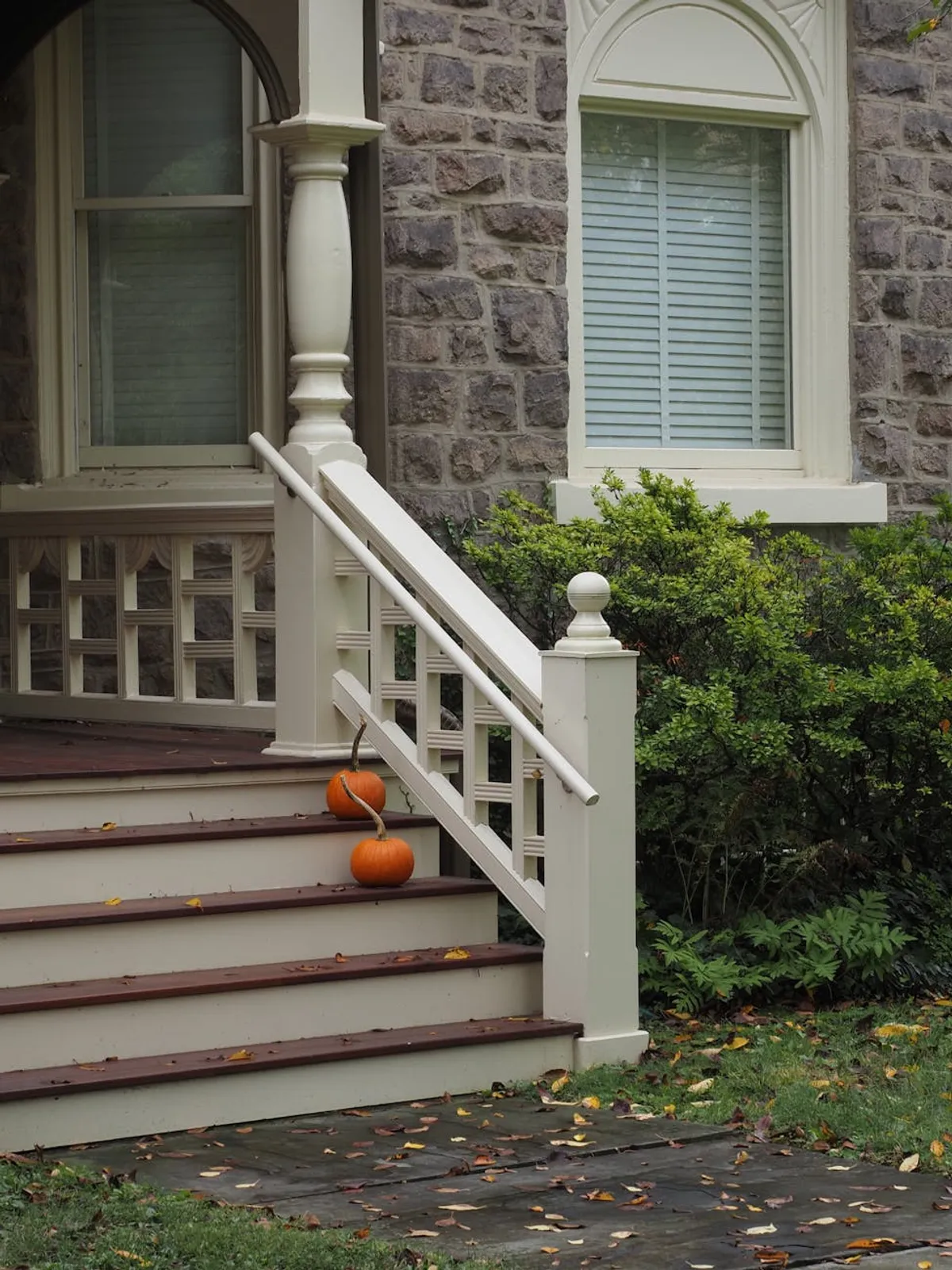
The first time you walk into a good Adult Home in New York, you notice how different it feels from what you expected. A dining room with six chairs around a table. Sunlight coming through a bay window. A caregiver who knows your mother’s name before you introduce her. For families searching in New York, these smaller residential settings exist within a system that can feel overwhelmingly complex. The state’s Adult Care Facility categories, Medicaid pathways, and regional cost differences are genuinely hard to navigate without a guide.
New York licenses residential care for older adults under the Adult Care Facility (ACF) umbrella, which includes three distinct categories. The system is regulated by the New York State Department of Health (DOH), and the funding picture is shaped by one of the most generous Medicaid programs in the country. This guide walks through the categories, the costs, the Medicaid options, and the practical steps for finding a good small home in New York.
For the broader national picture, see our guide on what a residential care facility is and the state-by-state licensing overview.
New York’s Adult Care Facility categories
New York does not use the term “board and care home” or “adult family home.” Instead, the state licenses all non-nursing residential care under the Adult Care Facility umbrella. There are three main categories, each with different rules and capabilities.
Adult Homes
An Adult Home is the most common type of ACF in New York. It provides long-term residential care, including room, board, housekeeping, personal care, and supervision to five or more adults who are substantially unable to live independently. Adult Homes range widely in size:
- Small Adult Homes: 5 to 25 beds, often operating in converted residential buildings
- Medium Adult Homes: 25 to 80 beds
- Large Adult Homes: 80 to 300+ beds, some of the largest in the country
For families looking for the small-home experience, Adult Homes in the 5 to 25 bed range are the starting point. These smaller homes are more common outside New York City, in suburban and upstate communities where converted houses and smaller purpose-built settings are the norm.
Adult Homes are licensed to provide:
- Room and board
- Housekeeping and laundry
- Supervision and personal care (assistance with bathing, dressing, grooming, eating, mobility)
- Help with self-administration of medications
- Social and recreational activities
- Three meals per day plus snacks
- Case management and service coordination
Adult Homes are not licensed to provide skilled nursing care. Residents who need ongoing nursing must receive it through outside home health agencies or transition to a higher level of care.
Enriched Housing Programs
An Enriched Housing Program (EHP) is a community-integrated model that provides housing and personal care services to adults in apartment-like settings. Residents typically have private or semi-private apartments with kitchenettes or full kitchens, and the program provides meals, personal care assistance, housekeeping, and case management as needed.
Enriched Housing Programs serve a slightly more independent population than Adult Homes and are designed to feel more like supportive apartments than residential care. The distinction matters for families whose parent values autonomy and privacy. EHPs are found primarily in urban and suburban areas, with a concentration in the New York City metro region.
Assisted Living Residences
The Assisted Living Residence (ALR) is the newest ACF category in New York, established by state legislation in 2004. ALRs must meet higher standards than Adult Homes for staffing, physical environment, resident agreements, and quality assurance. They come in two tiers:
- Basic ALR: serves residents who need personal care and supervision, with enhanced staffing and physical environment requirements compared to Adult Homes
- Enhanced ALR (EALR): can serve residents with higher acuity needs, including those who would otherwise require nursing home care, with additional staffing and service requirements
ALRs tend to be larger, newer communities with higher price points. For families whose parent has more complex care needs and who can afford higher monthly costs, ALRs offer a more regulated and often more service-rich option.
The Assisted Living Program: Medicaid in residential settings
Distinct from the Assisted Living Residence license category, the Assisted Living Program (ALP) is a Medicaid-funded program that operates within some Adult Homes and Enriched Housing Programs. The ALP provides personal care, case management, and other services to Medicaid-eligible residents who would otherwise need nursing home care.
The ALP is New York’s most important pathway for Medicaid-funded residential care. It is covered in detail in the Medicaid section below.
Licensing and regulation
All Adult Care Facilities in New York are licensed and regulated by the New York State Department of Health, specifically through the Bureau of Adult Care Facility Surveillance. The regulations are codified in Title 18, Part 487 of the New York Codes, Rules and Regulations (NYCRR) for Adult Homes and Enriched Housing, and Part 1001 for Assisted Living Residences.
Operator and staff requirements
Adult Home operators must:
- Obtain a DOH license and demonstrate financial capacity to operate
- Designate a qualified administrator who is at least 21 years old and meets educational and experience requirements
- Ensure all staff pass criminal background checks
- Maintain minimum staffing levels based on facility size and resident acuity
- Provide staff training on personal care, medication management, dementia, infection control, abuse prevention, emergency procedures, and resident rights
ALRs must meet additional staffing requirements, including a registered nurse on staff and more extensive training for direct care workers.
New York’s regulatory framework for ACFs is among the more detailed in the country, reflecting the state’s large residential care population and history of enforcement actions.
Inspections and enforcement
DOH inspects Adult Care Facilities on a regular cycle (at least every 18 months for most facilities) and in response to complaints, incidents, and follow-up on corrective actions. Inspection reports document observed conditions, deficiencies cited, required corrective actions, and follow-up findings.
New York has a history of significant enforcement actions against large Adult Homes, particularly in New York City, where some facilities have faced serious quality concerns. The smaller, community-based homes generally have fewer systemic issues, but families should always verify each facility’s record individually.
For guidance on understanding what inspection reports mean, see our guide to reading inspection reports.
How to search New York’s facility database
The New York State Department of Health maintains a searchable directory of licensed Adult Care Facilities through its online Health Profiles system. You can search by facility name, county, type (Adult Home, Enriched Housing, ALR), and other filters.
Each listing provides:
- License status and type
- Address, phone number, and capacity
- Inspection survey dates
- Enforcement actions and penalties
- Complaint investigation summaries
The DOH also maintains the Health Electronic Response Data System (HERDS), which facilities use for reporting and which feeds into the public-facing profiles.
For families building a shortlist, the DOH database is the most important due diligence tool. Verify license status, read recent survey reports, and check for any enforcement actions before scheduling tours. Cross-reference what you find with the New York State Long-Term Care Ombudsman Program, which can provide additional context on specific facilities and advocate for residents.
Cost ranges in New York
New York’s cost landscape is among the most varied in the country, driven by the extreme differences between the New York City metro area and the rest of the state.
Approximate cost ranges for a private room in an Adult Home with basic personal care, as of 2026:
- New York City (all five boroughs): $4,500 to $8,000 per month, with many homes in the $5,500 to $7,000 range
- Long Island (Nassau, Suffolk): $5,000 to $8,500 per month
- Westchester, Rockland, Orange counties: $5,000 to $8,000 per month
- Albany Capital District: $3,500 to $6,000 per month
- Syracuse and Central New York: $3,000 to $5,500 per month
- Rochester and Finger Lakes: $3,000 to $5,500 per month
- Buffalo and Western New York: $3,000 to $5,500 per month
- Hudson Valley: $4,000 to $7,000 per month
- Smaller upstate markets: $2,500 to $4,500 per month
Assisted Living Residences run significantly higher, typically $6,000 to $12,000 per month in the NYC metro area and $4,500 to $8,000 upstate. Enhanced ALRs serving higher-acuity residents can exceed $12,000 per month.
Memory care adds $1,500 to $3,000 per month to the base rate in most settings. For the broader cost picture, see our guide to care home costs.
Paying for Adult Care Facility care in New York
New York has more Medicaid funding pathways for residential care than most states, though navigating them requires patience and often professional guidance.
Medicaid and the Assisted Living Program (ALP)
The Assisted Living Program is New York’s primary Medicaid pathway for residential care. The ALP operates within selected Adult Homes and Enriched Housing Programs that have been approved by DOH to provide Medicaid-funded services. Key features:
- Eligibility: The resident must be Medicaid-eligible and assessed as needing a nursing home level of care
- Services covered: Personal care, case management, home health aide services, adult day health care, and other supports
- Room and board: Medicaid does not cover room and board. The resident’s income (primarily Social Security and SSI) goes toward room and board costs, with the ALP operator receiving the Medicaid service payment on top
The ALP is a valuable option for families with limited resources, but availability is constrained. Not all Adult Homes participate in the ALP, and the Medicaid reimbursement rates have not kept pace with operating costs, particularly in higher-cost regions. Families in upstate markets will find more ALP availability than those in New York City.
For the national Medicaid picture, see our Medicaid and residential care guide.
Managed Long-Term Care (MLTC)
New York requires most Medicaid-eligible individuals who need long-term care services for more than 120 days to enroll in a Managed Long-Term Care (MLTC) plan. MLTC plans coordinate and authorize long-term care services, including personal care, home health aides, adult day care, and other supports.
For ACF residents, MLTC plans can authorize and fund personal care services and care coordination. The interaction between MLTC and ALP is complex: residents in ALP programs receive their services through the ALP, while non-ALP ACF residents may receive some community-based services through their MLTC plan.
The MLTC enrollment process requires a clinical assessment (the UAS-NY assessment) to determine eligibility and level of need. Your local Aging and Disability Resource Center or the New York Medicaid Choice program can help navigate enrollment.
SSI and the New York State supplement
New York provides one of the highest SSI state supplements in the country for residents of Adult Care Facilities. For eligible individuals, the combined federal SSI payment plus the New York State supplement is specifically calculated to cover the cost of care in an ACF.
As of 2026, the combined SSI and state supplement for an individual in an Adult Home is approximately $1,600 to $1,800 per month (the exact amount varies based on individual circumstances and annual adjustments). This covers basic room, board, and care in lower-cost homes, primarily in upstate markets. In New York City and the downstate suburbs, the SSI supplement does not come close to covering market rates, and most homes that accept SSI-only residents are in less expensive areas.
New York’s higher Medicaid asset limits
New York has historically maintained more generous Medicaid eligibility thresholds than the federal minimum. For 2026, the individual resource allowance for Medicaid community-based long-term care eligibility is $31,175 (compared to $2,000 in many states). The income limit for MLTC enrollment is tied to the Medicaid income level, with a generous spousal impoverishment protection.
These higher thresholds mean that more New Yorkers qualify for Medicaid-funded long-term care services than in most other states. For families navigating the eligibility process, a consultation with a Medicaid planner or elder law attorney is often worthwhile.
Private pay
Most Adult Home residents in higher-cost regions are private-pay, combining Social Security, pension income, savings, and family support. Our seven ways to pay guide covers the full range of funding options.
VA Aid and Attendance
New York has one of the largest veteran populations in the country, and VA Aid and Attendance is a meaningful funding source for wartime veterans and surviving spouses in Adult Care Facilities. The benefit can provide over $2,700 per month toward the cost of care.
Long-term care insurance
Most policies issued in recent decades cover Adult Home and ALR care. Read your policy and contact the insurer’s claims line early in the process. Some policies use the term “assisted living” or “residential care” in their benefit triggers.
NYC vs. upstate: two different care landscapes
The differences between the New York City metro area and the rest of the state are significant enough to merit separate discussion.
New York City and downstate
The five boroughs, Long Island, and the lower Hudson Valley present particular challenges for families searching for small residential care:
- Cost: Monthly rates are 40 to 80 percent higher than upstate, and the SSI supplement covers a small fraction of actual costs
- Availability: Small Adult Homes (under 25 beds) are less common in NYC, where real estate costs push operators toward larger facilities
- Space: Physical settings tend to be more compact, with less outdoor space
- Regulation: NYC facilities have historically faced more enforcement actions, partly reflecting the larger population and partly reflecting the challenges of operating in a high-cost urban environment
Families searching in the NYC metro area should expect higher costs, more competition for quality placements, and a longer search process. Working with a geriatric care manager who knows the local market can save significant time and frustration.
Upstate New York
The Albany, Syracuse, Rochester, and Buffalo metro areas, along with smaller cities and rural communities, offer a different picture:
- Cost: Substantially lower, with some homes in the $3,000 to $4,000 range
- Availability: More small Adult Homes operating in residential settings
- ALP access: Better availability of ALP Medicaid-funded beds
- SSI viability: The state supplement can cover or nearly cover costs in lower-cost homes
- Space: Larger physical settings with more outdoor areas
Families searching upstate have more options at lower price points, though rural areas may have limited choices and longer distances between facilities.
Finding small home options in New York
New York’s ACF system skews toward larger facilities, but smaller homes do exist, particularly in suburban and upstate communities. Here is how to find them.
-
Search the DOH database by county. Filter for Adult Homes and look at capacity numbers. Homes with 5 to 25 beds are the small-home options.
-
Contact your local Aging and Disability Resource Center. Every county has one, accessible through the New York State Office for the Aging or the Eldercare Locator. Staff can identify small homes in your area.
-
Call the Long-Term Care Ombudsman. The ombudsman program can provide context on specific facilities and help you understand what smaller options are available in your region.
-
Browse the AgeSong directory. Our New York state page lists facilities organized by city and region.
-
Verify every home in the DOH database. Confirm active license status, read recent survey reports, and check for enforcement actions.
-
Tour at least three homes. Walk through the entire setting. Meet the caregivers. Observe a meal if possible. Our questions to ask guide and red flags guide will help you evaluate what you see.
-
Visit your top choice unannounced. Drop in at a meal time or in the evening to see the home during a less polished moment.
-
Read the admission agreement carefully. Pay attention to rate increases, discharge triggers, and the process for resolving disputes.
What the Long-Term Care Ombudsman does
New York’s Long-Term Care Ombudsman Program advocates for residents of Adult Care Facilities and nursing homes. The program is administered by the New York State Office for the Aging and operates through local ombudsman programs in every county.
The ombudsman can:
- Investigate complaints about care, services, or resident rights
- Mediate disputes between residents and facilities
- Provide information about specific facilities
- Help residents and families understand their rights
- Refer families to appropriate agencies and resources
The service is free and confidential. Families should contact the ombudsman early in their search for context on local facilities and later if concerns arise after placement.
Browse the directory
The AgeSong New York state page lists Adult Care Facilities organized by city and region. Browse to build your shortlist, then verify every home in the DOH database before touring.
For broader context, see our overview of residential care facilities and the national licensing guide.
The next step
If you are searching in New York, the most useful action this week is to go to the DOH Adult Care Facility directory and search for licensed Adult Homes in your county. Filter for smaller homes by looking at bed capacity. Read the survey reports for any home that interests you.
If your parent may qualify for Medicaid, contact your local Department of Social Services to begin a Medicaid eligibility assessment, and ask specifically about the Assisted Living Program and Managed Long-Term Care enrollment.
For the broader search process, see our step-by-step guide to finding a care home, and for payment strategies beyond Medicaid, see our seven ways to pay guide.
Sources and further reading: New York State Department of Health, Bureau of Adult Care Facility Surveillance; New York State Office for the Aging; New York Long-Term Care Ombudsman Program; New York Medicaid Managed Long-Term Care; Centers for Medicare and Medicaid Services; Eldercare Locator.