Elder Group Homes
Find Group Homes for the Elderly
The phrase group home carries different meanings depending on the population it serves. Group homes for children, adolescents, adults with intellectual or developmental disabilities, and people in recovery all exist, and each has its own licensing framework, staff training, and regulations. Group homes for the elderly are a specific and distinct category: licensed residential settings where older adults, typically age 65 and up, live together in a small, home-like environment and receive help with activities of daily living.
There is no single national license called "group home for the elderly." Instead, every state has its own term. California calls them Residential Care Facilities for the Elderly. Washington uses adult family home. Georgia and Pennsylvania use personal care home. Oregon has adult foster homes. North Carolina has family care homes. The phrase "group home for elderly" is simply how many families describe what they are actually looking for: a real house, a handful of residents, and a family feel rather than an institution.
The elderly-specific distinction matters for three reasons. First, the regulations are different. Group homes for people with developmental disabilities, for example, operate under a different licensing framework, have different staffing requirements, and answer to different state agencies. Second, the resident profile is different. An elder group home is built around mobility aids, medication management, memory care accommodations, and the practicalities of aging. Third, the care team is trained specifically in geriatric care rather than pediatric, psychiatric, or behavioral health.
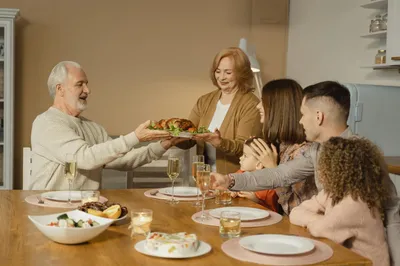
When you search for a group home for an aging parent, what you're really looking for is a small licensed senior care home with round-the-clock staff, a shared dining table, and caregivers who will know your parent as a person rather than a room number. Use our state directory to find the term your state uses, browse the homes that match your location and budget, and verify each home's license status against the official state database linked from every listing.
Also Known As
Different states use different vocabulary for essentially the same kind of home. If you're searching across state lines, it helps to recognize the alternatives.
Browse by state
Jump to the state directory where this term is used.
Frequently asked questions
What is a group home for the elderly?
Is a group home the same as an assisted living facility?
What's the difference between a group home for the elderly and a nursing home?
How are group homes for the elderly licensed?
Understanding care homes
In-depth guides for families starting their search.

Respite Care and Short Stays in Small Care Homes
Respite care gives family caregivers a break while their loved one stays in a care home temporarily. How it works, what it costs, and how to arrange it.
12 min read
Finding a Care Home That Matches Your Culture and Language
Cultural fit and language access matter deeply in residential care. How to find a care home that honors your family traditions and communication needs.
13 min read

Pet-Friendly Care Homes: What Families Should Know
Some small care homes welcome pets or have resident animals. Learn how to find pet-friendly options and what policies to ask about.
12 min read
Free Newsletter
Get the AgeSong Guide
Weekly insights for families navigating care decisions.