The call came on a Tuesday afternoon. Linda’s mother had fallen in the kitchen again. The first fall, three months earlier, had produced a bruised hip and a lot of reassurances. This time there was a broken wrist and a doctor asking direct questions about whether her mother could really keep living alone. Linda sat in the hospital corridor and realized she did not know what she was supposed to be looking for. Nursing home sounded too much. Assisted living sounded too institutional. A friend mentioned something called a board and care home. Linda had never heard the term.
If you have landed here because a version of Linda’s Tuesday is happening in your family, this guide will walk you through everything you need to know. A board and care home is not a compromise or a downgrade. For many older adults, it is the closest thing to continuing to live at home with professional care. This is what it is, how it works, what it costs, and how to find one.
The short answer
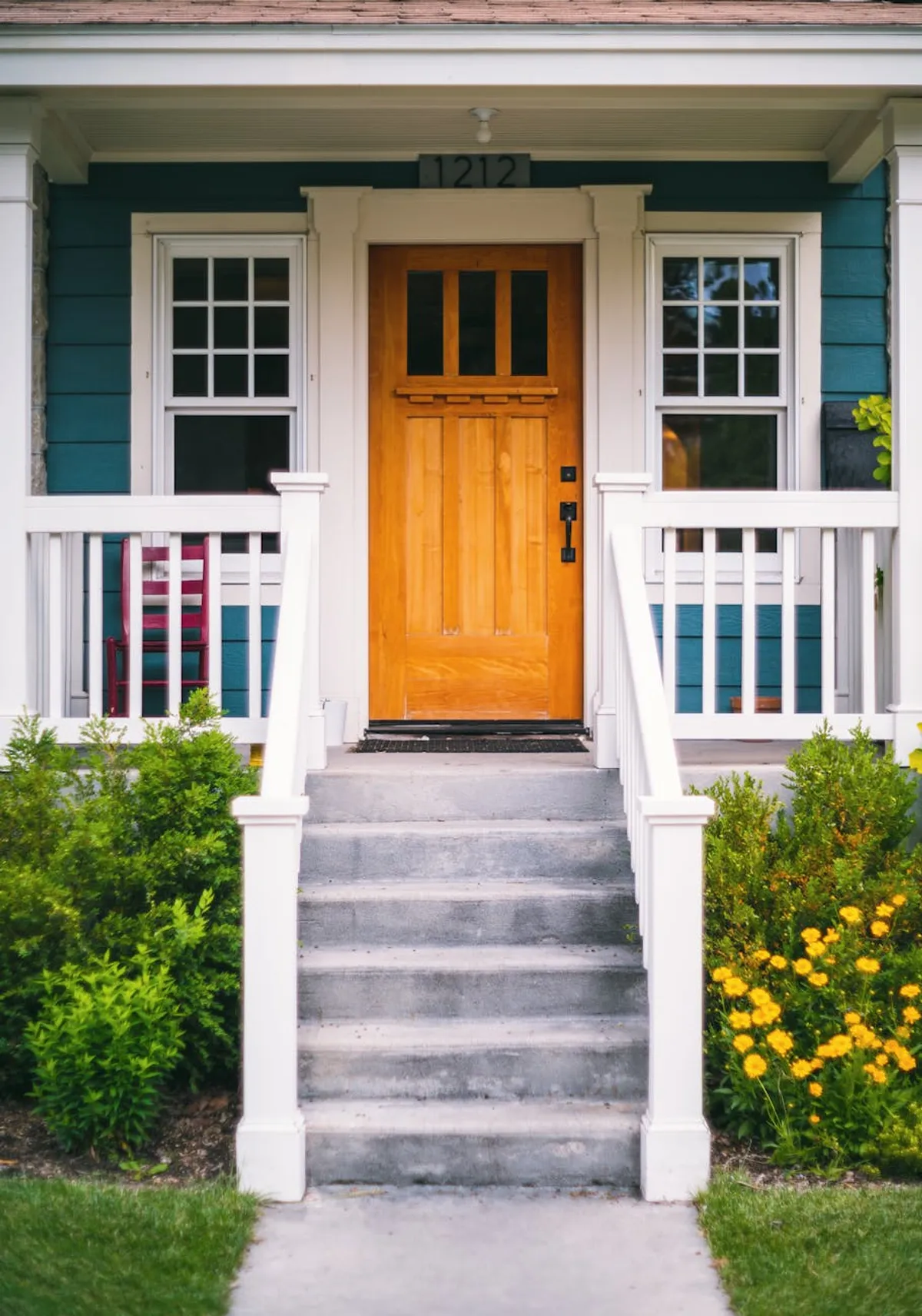
A board and care home is a small licensed residential care home where older adults live together and receive help with activities of daily living. Most are located in ordinary single-family houses on ordinary residential streets. A typical board and care home serves between four and fifteen residents, has round-the-clock caregivers, serves home-cooked meals around a shared table, and feels much more like a real home than an institution.
The name “board and care” is used most commonly in California and Nevada, where it is the everyday term for what the state of California formally licenses as a Residential Care Facility for the Elderly (RCFE). Other states use different names for the same kind of home. In Washington and Oregon they are called adult family homes or adult foster homes. In Georgia and Pennsylvania they are called personal care homes. In North Carolina they are family care homes. In Arizona they are assisted living homes. Every state licenses and regulates them, and they all do roughly the same thing: provide daily care for a small number of older adults in a residential setting.
Board and care homes are not nursing homes. They do not provide skilled medical care. They are also not the large assisted living communities you may have driven past, with their apartment buildings and printed activity calendars. They sit in the middle: more care than living independently, less medical than a nursing home, smaller and quieter than assisted living.
Who lives in a board and care home
Residents are typically older adults who can no longer safely live alone but do not require the constant medical oversight of a nursing home. Most are in their 70s, 80s, or 90s. Some have mild to moderate dementia. Some are recovering from a stroke or a fall. Some simply need help with bathing, dressing, and medication reminders, and are no longer able to manage a house on their own. Some move in after a spouse passes away, when living alone becomes unbearable.
What residents share is a need for daily support in a setting that feels like home rather than a facility. A resident in a good board and care home wakes up in a bedroom that looks like a bedroom, eats breakfast at a dining table with the same four or five people every morning, and spends the afternoon in a living room that has real furniture and real light coming through the windows. The caregivers know everyone by name, know what each resident likes for breakfast, and know which grandchild is visiting next weekend.
Many board and care homes specialize in quiet ways. Some focus on residents with early-stage dementia and are trained in memory care techniques. Some are run by families from specific cultural backgrounds and serve meals and conversation in a shared language. Some welcome residents who use wheelchairs and need two-person transfers. Some focus exclusively on ambulatory, cognitively intact residents. Matching a resident’s needs to a home’s specialty is one of the most important parts of the search.
What services a board and care home provides
The services available in a licensed board and care home are defined by state regulation and vary somewhat from state to state. In general, a board and care home can provide:
- Room and board. A bedroom (private or shared, depending on the home), shared living areas, bathrooms, laundry, and three meals a day plus snacks.
- Personal care. Help with bathing, dressing, grooming, toileting, mobility, and meal feeding when needed.
- Medication management. Reminders, setup, and administration of medications as allowed under state law.
- Supervision. Round-the-clock staff presence, with safety checks and monitoring appropriate to the residents’ needs.
- Social activities. Conversation, shared meals, television, outings, family visits, and the social structure of a household.
- Transportation. Many homes arrange or provide transportation to medical appointments, though this is not universal.
What a board and care home generally cannot provide is skilled medical care. It cannot legally administer IV medications, do complex wound care, or provide the kind of nursing oversight that requires licensed nurses around the clock. If a resident’s medical needs grow to that level, either the home brings in outside services (home health agency, hospice provider) or the resident transitions to a nursing home. More on that below.
How board and care compares to assisted living
The easiest way to think about the difference between a board and care home and a traditional assisted living community is scale. A large assisted living community typically serves 80 to 250 residents in an apartment-building format. Each resident has a studio or one-bedroom apartment. Meals are served in a central dining room on a schedule. There is usually a beauty salon, a gym, an activities director, a printed weekly calendar, and a marketing team that gives tours. Staffing is organized by shift around the whole building.
A board and care home serves between four and fifteen residents in what is usually a single-family house. Residents have bedrooms, not apartments. Meals are cooked in a kitchen and served at a shared table. There is no salon, no gym, no printed calendar. Staff know every resident by name. The daily rhythm is the rhythm of a household.
For some residents, the larger community is the right choice: more amenities, more independence, more social opportunities, more of an apartment-like feel. For other residents, especially those who would feel overwhelmed or lonely in a large community, or who thrive on predictable routines and familiar faces, a board and care home is the better fit. Care levels can be comparable. In some states the license categories overlap. Read our full comparison of board and care vs. assisted living for a side-by-side breakdown.
How board and care compares to nursing homes
A nursing home (also called a skilled nursing facility) is a medical setting. It has licensed nurses on duty around the clock. It provides wound care, IV medications, rehabilitation, and physician oversight. Residents in a nursing home typically have complex medical needs that change frequently and require the kind of clinical attention that only trained nurses can provide.
A board and care home is a non-medical setting. It provides personal care, supervision, and a place to live, but it does not provide skilled nursing. A resident with stable chronic conditions who needs help with daily activities can thrive in a board and care home for years. A resident recovering from a major stroke, or a resident with complex medication needs that change weekly, usually belongs in a nursing home, at least temporarily.
The line between the two is medical, not social. A helpful way to think about it: if the care your parent needs requires a nurse, a board and care home is not enough. If the care your parent needs requires a trained caregiver and time, a board and care home is usually ideal. Our detailed comparison of board and care vs. nursing home walks through how to tell the difference for a specific person in a specific situation.
Why every state uses a different name
One of the more frustrating parts of researching senior care is that no two states use the same vocabulary. This is because residential care licensing is a state-level responsibility, and each state’s licensing framework evolved independently, usually in the 1970s or 1980s. Here is a quick reference for the terms you are most likely to encounter:
| State | Local term | Typical size limit for “small” |
|---|---|---|
| California | Residential Care Facility for the Elderly (RCFE) | 6 is most common, up to 15 |
| Washington | Adult Family Home | 6 |
| Oregon | Adult Foster Home | 5 |
| Arizona | Assisted Living Home | 10 |
| Florida | Adult Family Care Home | 5 |
| Georgia | Personal Care Home | Varies |
| Pennsylvania | Personal Care Home | 4+ |
| North Carolina | Family Care Home | 6 |
| Michigan | Adult Foster Care Home | 6 (family home) |
| Texas | Assisted Living Facility | No separate small category |
The AgeSong directory handles this translation for you. If you land on the California page, you will see the term RCFE. If you land on the Washington page, you will see adult family home. The underlying homes are similar. The names are different because the paperwork is different. Browse all terminology variations or jump directly to your state in our state directory.
What a board and care home costs
Costs vary enormously by state, region, and the care needs of the resident, but here is a rough national picture based on the most recent cost of care data.
Shared room (most common): $4,000 to $7,500 per month in most states. Coastal California, metropolitan Washington, and the New York metro area tend toward the top of that range. More affordable regions in the Southeast and Midwest tend toward the bottom.
Private room: $5,500 to $10,000 per month, with the same regional variation. Private rooms are less common in smaller homes because the structure of the building limits how many can be offered.
What is included in the monthly rate varies by home. At minimum, the rate covers the room, three meals a day, housekeeping, laundry, and basic personal care. Most homes charge extra for higher care levels (memory care, two-person transfers, incontinence care at higher frequencies) and for incidentals like cable television, phone service, or salon visits.
Private pay is the most common funding source. Long-term care insurance policies often cover a portion of the monthly cost. Veterans and their surviving spouses may qualify for the VA Aid and Attendance benefit, which can provide meaningful help. Medicaid coverage is limited in most states and rarely covers room and board, though some states operate waiver programs that cover care services for eligible residents. Our full cost guide walks through each of these funding sources in detail, with state-level averages.
How to find a board and care home near you
Finding the right home is a process, not a single decision. Here is the short version of what to do. For the detailed step-by-step, see our guide to finding a residential care home.
- Clarify your person’s needs. Write down what help your parent actually requires: with bathing, dressing, walking, medications, meals, medical conditions, and memory. This becomes your filter.
- Use the AgeSong directory. Start with the state page for your state. Every licensed small home is listed with capacity, care level, and contact information. Browse by city.
- Verify every license. Click through to the official state licensing database (linked from every listing) and check the current status, inspection history, and any citations or substantiated complaints.
- Shortlist four to six homes. Pick homes that match your person’s needs, location, and budget. Do not shortlist based only on the website.
- Tour each one. Walk through the house. Meet the provider. Meet the residents. Observe mealtime if you can. Ask specific questions: staffing ratios, night staffing, medication management, what happens when care needs change, what the move-in process looks like.
- Verify references. Ask for references from current families and check them.
- Choose the fit, not just the features. The best home on paper is not always the best home for your person. Trust the feeling of the household.
What to look for on a tour
The features that matter on a tour are the ones you cannot see in a photograph. Pay attention to the smell of the house, which should smell like cooking and laundry, not disinfectant. Pay attention to how the caregivers speak to the current residents: by name, warmly, and with eye contact, or transactionally and in the background. Pay attention to how the current residents look: engaged, calm, and well-groomed, or slumped and passive in front of a television that nobody is watching.
Ask specific questions about staffing. How many caregivers are on duty during the day? At night? What are their qualifications? How long has the current staff been there? High staff turnover is a warning sign. Ask what happens when a resident has a medical event at 3 a.m. Ask how medication administration is documented. Ask to see the current state inspection report (it is a public document and every home is required to make it available on request).
Ask to stay for lunch if the home will allow it. Nothing reveals the daily reality of a home faster than watching the residents eat a meal together.
When a board and care home is the right choice
A board and care home is usually the right choice when:
- Your person can no longer safely live alone, or the stress of living alone is causing anxiety, weight loss, missed medications, or falls.
- Your person does not need skilled nursing care and is medically stable.
- Your person would feel lost or lonely in a large community and thrives with familiar faces and a quiet household.
- You want the highest possible staffing ratios for the cost.
- You want a home with a cultural, linguistic, or care specialty that matches your person’s needs.
A board and care home is usually not the right choice when the medical needs are complex enough to require a nurse on duty around the clock. In that situation, a nursing home is the correct setting, at least temporarily. Many residents move from a nursing home back to a board and care home once their medical situation stabilizes.
The next step
If you are starting from zero, the most useful thing you can do in the next hour is browse the directory. Start with your state page and see what is available in your area. Each listing links directly to the official state licensing database so you can verify every license as you go.
If you want to think about what you are actually looking for before you start searching, our step-by-step guide to finding a residential care home will walk you through the process from deciding what “good” looks like for your person to signing the move-in paperwork.
And if you are in California (which has more than 6,000 licensed small RCFEs) or Washington (with its well-established adult family home network), our state pages are the right place to start: California directory or browse by term.
Sources and further reading: California Department of Social Services, Community Care Licensing Division; Washington State Department of Social and Health Services, Adult Family Homes; Centers for Medicare and Medicaid Services, Long-Term Care Facilities; National Institute on Aging, Residential Facilities, Assisted Living, and Nursing Homes.