Memory care · Residential Care Community
Memory Care Homes in Oregon
110 of the 1,669 licensed homes in our Oregon directory carry memory care evidence in their state license records, and all of them are licensed residential care communities. Every home on this page is included because Oregon Department of Human Services data shows it, never because an operator paid for placement.
Looking beyond memory care? Browse all 1,669 licensed homes in Oregon or estimate monthly costs.
Memory care by city
These Oregon cities have at least 3 licensed homes with memory care evidence, so each gets its own page.
Memory care homes in smaller communities
These towns have one or two licensed homes with memory care evidence, listed here so smaller communities never dead-end.
-
Baker City
- Settler's Park Memory Care Community · 30 beds
-
Bandon
- Pacific View Memory Care Community · 30 beds
-
Beaverton
- Edgewood Point Memory Care · 27 beds
- Maryville Memory Care · 16 beds
-
Canby
- Countryside Living Memory Care South · 20 beds
- Marquis Hope Village Memory Care · 24 beds
-
Central Point
- The Grove At Pear Valley Memory Care · 24 beds
-
Coos Bay
- Bayside Terrace Memory Care · 22 beds
-
Dallas
- Blue Haven Memory Care - Dallas · 16 beds
- Dallas Retirement Village Memory Care Center · 20 beds
-
Damascus
- Aveena Memory Care · 15 beds
-
Enterprise
- Wallowa Valley Senior Living Memory Care · 10 beds
-
Florence
- Cello Memory Care · 10 beds
- Spruce Point Memory Care · 25 beds
-
Forest Grove
- Forest Grove Beehive Memory Care · 22 beds
- Jennings Mccall Rcf · 27 beds
-
Gresham
- Bonaventure Of Gresham Memory Care · 27 beds
-
Happy Valley
- Footsteps At Sunnyside · 26 beds
-
Hood River
- Pacific Living Centers Of Hood River · 15 beds
- Providence Brookside Memory Care · 24 beds
-
Independence
- Blue Haven Memory Care - Independence · 16 beds
-
John Day
- Valley View Memory Care Community · 10 beds
-
Keizer
- The Village At Keizer Ridge Memory Care · 23 beds
-
Klamath Falls
- Pacific Living Centers Of Klamath Falls · 15 beds
-
La Grande
- Wildflower Lodge · 30 beds
-
La Pine
- Prairie House Memory Care Community · 18 beds
-
Lake Oswego
- Footsteps At Carman Oaks · 16 beds
- Footsteps At Lake Oswego · 24 beds
-
Lincoln City
- Hillside Place Memory Care · 8 beds
-
Milton Freewater
- Cascade Valley Memory Care · 23 beds
-
Molalla
- Pheasant Pointe Memory Care Community · 12 beds
-
Newberg
- Avamere At Newberg · 22 beds
-
Ontario
- Sunset Estates · 16 beds
- Sunset Villa · 16 beds
-
Oregon City
- Mcloughlin Memory Care Of Oregon · 28 beds
-
Pendleton
- Juniper House Memory Care · 16 beds
-
Prineville
- Pacific Living Centers Of Prineville · 15 beds
-
Redmond
- Pacific Living Centers Of Redmond · 15 beds
- The Pines At Juniper Springs · 24 beds
-
Roseburg
- Pacific Living Centers Of Roseburg At Ramp · 30 beds
- The Pines At The Landing · 21 beds
-
Saint Helens
- Avamere At St Helens · 28 beds
-
Sandy
- Avamere At Sandy · 24 beds
-
Sherwood
- Avamere At Sherwood · 24 beds
- Merrill Gardens At Sherwood Memory Care · 28 beds
-
Springfield
- Bayberry Commons Memory Care · 14 beds
- Chateau Gardens Memory Care · 28 beds
-
The Dalles
- Footsteps At Mill Creek · 25 beds
-
Tigard
- Bonaventure Of Tigard Memory Care · 23 beds
- Cogir Of Tigard Memory Care · 28 beds
-
Veneta
- Sherwood Pines Residential Care · 16 beds
-
Wilsonville
- Springridge Court Memory Care · 16 beds
-
Woodburn
- Heritage House Of Woodburn · 15 beds
- Silver Creek Memory Care Community · 20 beds
What memory care looks like in a small Oregon home
Visit one of these homes at dinnertime and the first thing you notice is how little it resembles a facility. Someone is cooking in an ordinary kitchen. A resident sets the table, the same job she has claimed for months, because the routine steadies her. A caregiver keeps one eye on the stove and one on the man who gets restless before dark.
Memory care means care built for people living with Alzheimer's disease or another dementia: a secured setting, staff trained for the work, and a daily rhythm that never asks a resident to hold a schedule in her head. In a small home it is also a matter of scale. The Oregon homes on this page are licensed for 8 to 30 residents, small enough that the building still reads as a house, with one kitchen, short hallways, and a door to a fenced yard instead of a corridor of numbered rooms.
Scale changes the caregiving itself. In a home this size, the people who help your parent dress, eat, and settle at night are a small and consistent group, close enough to notice the day an appetite fades or a steady walk turns careful. Oregon's provider data does not publish staffing ratios, so we will not quote one. What a small home offers by design is fewer faces to learn, less noise, and room for a hard afternoon to be handled at the kitchen table rather than in a crowded activity room.
A large memory care community can offer what a small home usually cannot: layers of licensed nursing on site, purpose-built courtyards, a deeper activity calendar. Neither model wins by default. The useful question on a tour is which environment the person you love actually settles in, and that answer tends to reveal itself quickly.
How Oregon licenses memory care
The Oregon Department of Human Services licenses the state's long-term care homes through its Aging and People with Disabilities program, and it grants a memory care endorsement to communities that provide dementia care. The endorsement is a license-level designation with its own requirements under Oregon's administrative rules, not a marketing phrase, and ODHS records it in the provider data it publishes. Every home on this page carries the endorsement in that file. That is the only reason a home appears here.
One wrinkle in Oregon's data is worth understanding before you search. The endorsement appears on residential care and assisted living facility licenses, so the endorsed homes here are small licensed facilities rather than adult foster homes. Adult foster homes, the five-resident settings that make up most of the 1,669 homes in our full Oregon directory, do not carry the endorsement, and many of them care for residents with dementia every day. The state's file simply says nothing about memory care either way for those homes. We treat that silence as unknown rather than as a no, which is why they stay in the main directory without a memory care label.
If you are weighing the two settings, start with our guides to Oregon adult foster homes and memory care in small residential homes, then confirm anything a home tells you against the ODHS license search.
How to evaluate an Oregon memory care home
Tour twice, and make one visit in late afternoon. Dementia symptoms often intensify as the day wears on, a pattern clinicians call sundowning, and a home that runs calmly at four o'clock is showing you its real staffing rather than its brochure.
Ask the questions only the house itself can answer. Who is in the building overnight, and are they awake? How long have the current caregivers worked here? What happens the first time your father tries the front door? What would lead the home to ask a resident to move out? A good operator answers that last question in specifics before move-in and puts the criteria in writing.
Then verify instead of trusting. Look the home up in the ODHS license search to confirm the license and endorsement are current and to read its inspection history. Our guide to choosing a care home for dementia covers the conversation in depth, the tour red flags guide covers what a polished visit can hide, and the visit checklist keeps the questions in your hand while you walk the house.
Talk through your shortlist with an advisor
A Place For Mom connects families with local senior living advisors. The guidance is free for families; advisors are paid by the communities that participate in their network. An advisor can help you build a shortlist and schedule tours. The judging stays with you: verify any home you are considering against the state license database, whoever recommended it.
Connect with a senior living advisor →AgeSong may receive a fee if you connect with a partner service.
How these homes are selected
AgeSong reads Oregon's public licensing data and includes a home here only when its license record carries explicit memory care evidence, such as an endorsement, a dementia care license category, or a designated unit. Homes without that evidence are not labeled either way: a license record that says nothing about memory care is an unknown, not a no.
Always verify a license before you tour. Search the official Oregon database
Memory care guides for families
How dementia care works in small residential homes, and how to choose one.
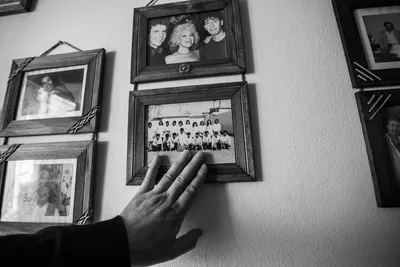
Memory Care in Small Residential Homes: What Families Need to Know
Small care homes can provide memory care for dementia in a calmer, more personal setting than large facilities. What families should look for and expect.
15 min read

Choosing a Care Home for a Parent with Dementia: What to Look For
A practical guide to evaluating small residential care homes for a parent with Alzheimer or dementia. What to ask, what to observe, and what matters most.
16 min read
Board and Care vs. Memory Care: How to Know Which One You Need
Board and care homes and memory care facilities both serve older adults but differ in focus, staffing, and cost. How to decide which is the right fit.
11 min read