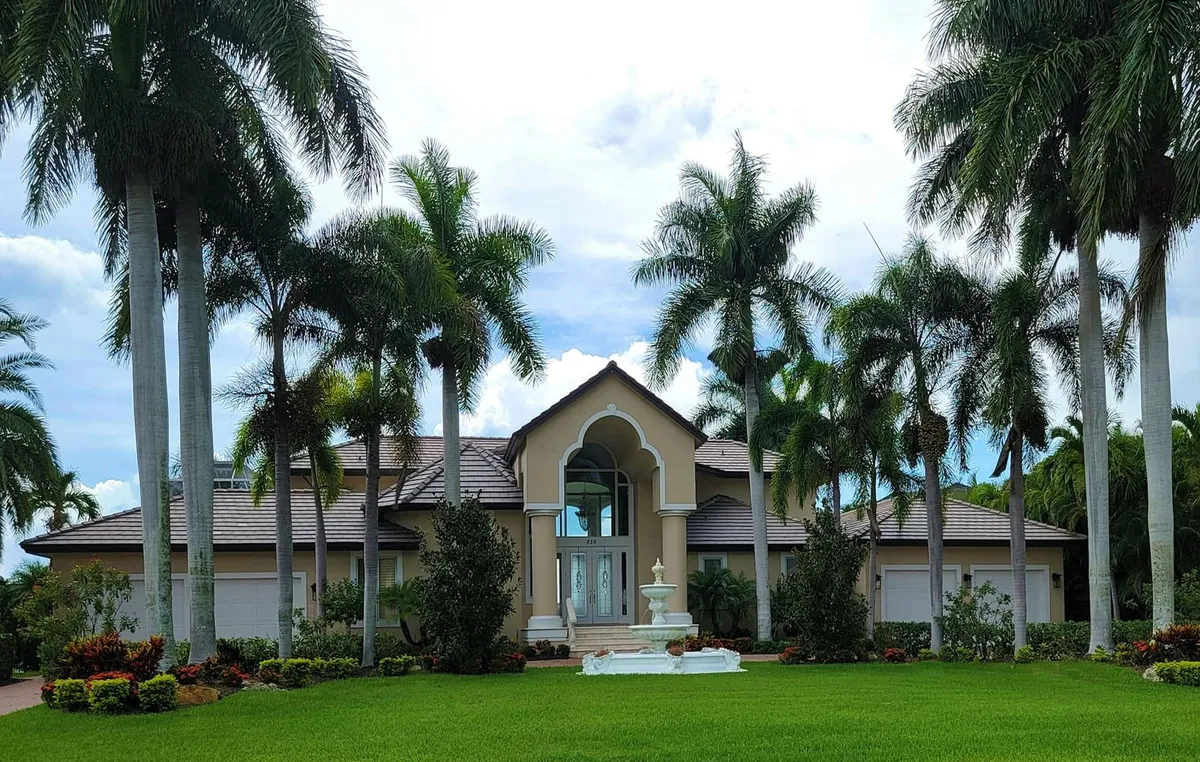
Florida is best known for its large assisted living industry, but the state also licenses a smaller, more intimate category of residential care: the adult family care home. With roughly 400 adult family care homes statewide, the category is much smaller than the assisted living facility population, but it offers an option that is meaningfully different from the larger settings most Florida families encounter first. For families who want a home rather than a facility, adult family care homes are the right starting point.
This guide is the comprehensive family resource for understanding adult family care homes in Florida, finding a good one, paying for it, and verifying its track record. For broader context, see our main board and care home guide and our comparison of adult family homes and board and care.
What an adult family care home is, in Florida terms
An adult family care home (AFCH) in Florida is a private home licensed by the state to provide room, board, and personal care to up to five adults who are unrelated to the provider. The provider must live in the home as their primary residence. The defining characteristics:
- Five-resident maximum: a hard cap, lower than most other states’ small-home categories
- Provider lives on-site: the licensee must reside in the home, which makes adult family care homes structurally similar to Oregon’s adult foster homes and quite different from the larger Florida ALFs
- Private residential setting: the home must be a single-family residence in a residential neighborhood
- 24-hour care responsibility: the provider is responsible for ensuring care 24 hours a day, with backup arrangements when they cannot be present
The category was established to provide a more intimate and household-scale alternative to the larger assisted living facility model. In practice, adult family care homes are most common in areas with strong demand for personalized care, including parts of Miami-Dade, Broward, and Tampa Bay.
Adult family care home vs assisted living facility
Florida licenses two main categories of residential care for adults:
- Adult Family Care Home (AFCH): 1 to 5 residents, provider lives in the home, smaller and more intimate
- Assisted Living Facility (ALF): 6 or more residents, professionally managed, can range from small (6-15 beds) to large (100+ beds)
The two categories are licensed under different rules and serve different markets. For families looking for the small-home model specifically, the AFCH is the right starting point. For families open to a slightly larger setting, small ALFs (6 to 15 beds) can also offer a relatively intimate environment.
Licensing and regulation
Adult family care homes in Florida are licensed by the Florida Agency for Health Care Administration (AHCA), specifically through the Bureau of Health Facility Regulation. The full regulations are codified in the Florida Administrative Code, Chapter 59A-37.
Provider requirements
The provider must:
- Be at least 21 years old
- Pass a Level 2 background screening (criminal history, abuse registry, sex offender registry)
- Complete a state-approved training course of at least 30 hours
- Be capable of meeting the needs of the residents, with the appropriate physical and mental health
- Provide 24-hour responsibility for the home, with documented backup caregivers when the provider cannot be present
- Maintain liability insurance
Resident eligibility
Adult family care homes can serve residents who:
- Need assistance with activities of daily living
- Have stable medical conditions that do not require skilled nursing
- Are not bedridden
- Are not a danger to themselves or others
- Do not require physical or chemical restraints
A resident whose needs progress beyond what the home can provide must be discharged. This is one of the most important things to ask about during a tour: what specifically would trigger a discharge, and what is the home’s process for managing that transition?
Inspections
AHCA inspects adult family care homes at least annually for license renewal, with additional inspections in response to complaints, incidents, or follow-up on previous deficiencies. The inspection report documents what the surveyor observed, any deficiencies cited, the home’s plan of correction, and the resolution.
How to search the Florida Health Finder
The Florida Health Finder is the official, public, free tool for searching licensed healthcare facilities in Florida, including adult family care homes. You can search by:
- Facility name
- City, county, or zip code
- License number
- Facility type (filter for “Adult Family Care Home”)
Each facility page shows current license status, address, capacity, license type, and recent inspection records. Detailed inspection reports may be available as PDF downloads or by request from AHCA.
For families building a shortlist, the Florida Health Finder is the most important due diligence tool. Verify license status, read the inspection records, and look at any enforcement actions before scheduling tours. Our guide on reading inspection reports walks through what to look for.
Cost ranges in Florida
Approximate cost ranges for a private room in an adult family care home in Florida, with basic personal care, as of 2026:
- Miami-Dade and Broward counties: $4,500 to $8,000 per month, with higher-end neighborhoods running $7,000 to $10,000+
- Palm Beach County: $5,000 to $8,500 per month
- Tampa Bay area (Hillsborough, Pinellas counties): $4,500 to $7,500 per month
- Orlando metro area (Orange, Seminole counties): $4,500 to $7,500 per month
- Jacksonville and Northeast Florida: $4,000 to $7,000 per month
- Naples and Southwest Florida: $5,000 to $8,500 per month
- Pensacola and the Panhandle: $3,500 to $6,500 per month
- Smaller markets and rural areas: $3,500 to $6,000 per month
These ranges are for relatively independent residents. Memory care, behavioral support, and higher acuity add $1,000 to $2,500 per month. Premium services add cost on top of that.
For the broader cost picture, see our cost guide.
Paying for adult family care home care in Florida
Medicaid (SMMC LTC)
Florida’s Medicaid long-term care program is the Statewide Medicaid Managed Care Long-Term Care (SMMC LTC) program, which covers care services for eligible Medicaid beneficiaries who meet nursing-facility level of care. The program is delivered through Managed Care Organizations contracted with the state.
SMMC LTC covers care in adult family care homes that are enrolled with one of the contracted Managed Care Organizations. Eligibility requires meeting both financial limits (Medicaid asset and income tests) and clinical limits (nursing-facility level of care assessment). Application is through the Department of Children and Families (DCF) for the financial determination and through the Department of Elder Affairs CARES program for the clinical assessment.
Florida has waitlists for SMMC LTC slots in many regions. Not every adult family care home accepts Medicaid placements. Always confirm with the home directly. Our main Medicaid guide covers the broader picture.
Private pay
Most Florida adult family care home residents are private-pay, combining Social Security, pension income, savings, and family contribution. Florida’s large retiree population means many residents have substantial private resources or long-term care insurance. Our seven ways to pay guide walks through the funding sources.
VA Aid and Attendance
Florida has the third-largest veteran population in the country, and VA Aid and Attendance is one of the most underused funding sources statewide. The benefit can pay over $2,700 per month toward the cost of an adult family care home and can be combined with other funding sources.
Long-term care insurance
Many Florida retirees have long-term care insurance policies purchased decades ago. Most policies issued in the last twenty years cover adult family care home care. Our long-term care insurance guide covers how to start a claim.
Optional State Supplementation (OSS)
Florida provides an Optional State Supplementation payment for SSI recipients in licensed residential care, which helps bridge the gap between SSI and the cost of care. The OSS payment is administered through DCF.
How to find a good adult family care home in Florida
The search process follows the standard steps with Florida-specific resources.
-
Define what you need. Acuity, location, budget, and specific care requirements (dementia, mobility, behavioral support).
-
Build a shortlist. Browse the AgeSong directory for homes in your county, or search the Florida Health Finder directly.
-
Verify each home in the state database. Confirm active license status, capacity, and any recent deficiencies. Read inspection reports.
-
Phone-screen the shortlist. Use the questions in our tour questions guide.
-
Tour three to five homes. Walk through the entire house. Meet the provider and any backup caregivers (since the provider must live on-site, the backup arrangements matter). Read our red flags guide.
-
Visit the top one or two unannounced. Drop in at meal time.
-
Read the contract carefully. Pay attention to rate increases, discharge triggers, and dispute resolution clauses.
What the Long-Term Care Ombudsman does
Florida has a Long-Term Care Ombudsman Program administered by the Department of Elder Affairs. The ombudsman advocates for residents of long-term care settings, including adult family care homes. The service is free and confidential. If you have concerns about a home, the ombudsman is often the right first call.
Browse the directory
The AgeSong state directory has a section for Florida with listings organized by city. Browse to build your shortlist. Every listing links to the official AHCA record for verification.
For broader context, see our main board and care home guide and our comparison of adult family homes and board and care.
The next step
If you are searching in Florida, the most useful action this week is to identify your county and search the Florida Health Finder for licensed adult family care homes in your area. If you think Medicaid might be relevant, call the Florida Department of Elder Affairs Elder Helpline at 1-800-963-5337 to start the eligibility conversation. The intake conversation is free and will tell you within an hour whether you should pursue SMMC LTC.
For the broader process, see our step-by-step guide, our questions to ask guide, and our Medicaid guide.
Sources and further reading: Florida Agency for Health Care Administration; Florida Health Finder; Florida SMMC Long-Term Care Program; Florida Department of Elder Affairs; Florida Long-Term Care Ombudsman Program; Eldercare Locator.