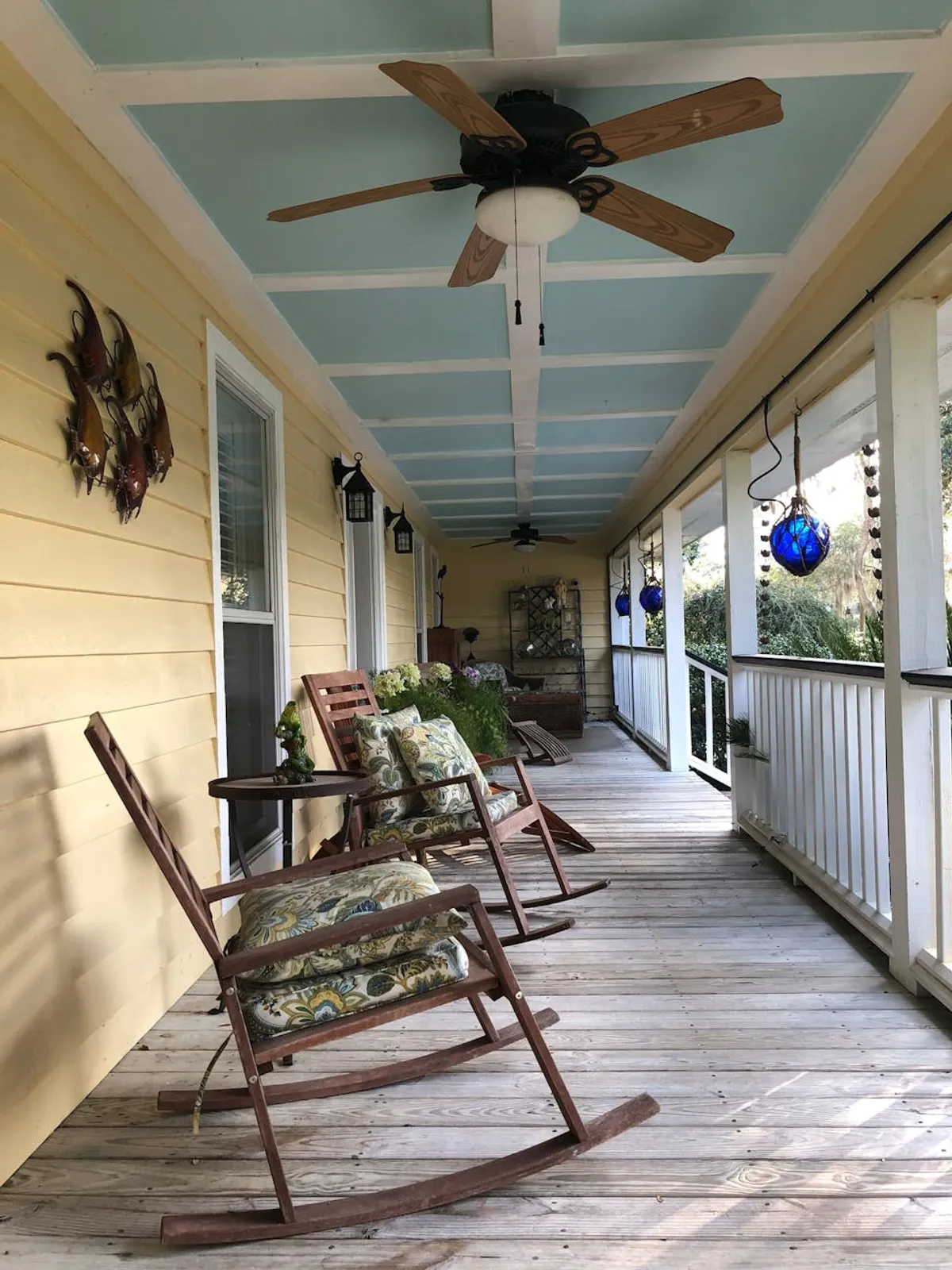
The home sits on a tree-lined street in Columbia, a renovated Craftsman with a side garden where tomatoes grow in raised beds. Six residents live here. The owner, a woman who spent twenty years as a home health aide before opening the house, cooks breakfast every morning in a kitchen that smells like biscuits and coffee. One resident, a retired postal worker, walks the garden path each afternoon. Another, a former librarian with early-stage dementia, reads in the sunroom while a caregiver sits nearby. There is no front desk, no name badge scanner, no overhead paging system. It is, in every meaningful way, a home.
South Carolina calls places like this Community Residential Care Facilities, or CRCFs. The state licenses 188 of them, from small family-run houses with a handful of residents to larger operations with 30 or more beds. For families looking for the intimate, home-like care model for an aging parent, the smaller CRCFs are the place to start. This guide covers what South Carolina law requires of these homes, what they cost across the state’s regions, how to pay for care, and how to find and evaluate a good one. For broader context on the small care home model, see our main board and care home guide.
How South Carolina defines and licenses care homes
South Carolina licenses Community Residential Care Facilities under South Carolina Code of Regulations 61-84. A CRCF is defined as a facility that offers room and board and provides a degree of personal assistance for two or more persons who are not related to the licensee. CRCFs serve people who require some help with daily living but do not need the continuous skilled nursing services provided in a nursing facility.
The CRCF category covers a broad spectrum:
- Small CRCFs: Typically 2 to 10 beds, often operating in single-family homes or converted residences. These are the settings most similar to what other states call board and care homes, adult family homes, or personal care homes.
- Medium CRCFs: 11 to 20 beds, sometimes in larger residential structures or small purpose-built settings.
- Large CRCFs: 21 to 30 beds or more, approaching the scale of what many states would classify separately as assisted living communities.
For families specifically seeking the small-home model, CRCFs with 10 or fewer beds are the most likely match. Many of these are family-operated, with the owner living on-site or nearby and personally involved in daily care.
What CRCFs provide
Licensed CRCFs in South Carolina are authorized to deliver:
- Room and board, including meals, housekeeping, and laundry
- Personal care assistance (bathing, dressing, grooming, eating, mobility, toileting)
- Supervision and watchful oversight
- Help with self-administration of medications
- Social and recreational activities
- Coordination with outside health care providers
CRCFs are not licensed to provide skilled nursing care. When a resident’s needs exceed what the facility can safely provide, the home must arrange appropriate services (such as home health or hospice) or help the resident transition to a higher level of care.
Related care categories
South Carolina also has other residential care categories that families may encounter:
- Nursing Facilities: Licensed separately for people who need continuous skilled nursing care
- Adult Day Health Care: Daytime programs for people who live at home but need structured supervision during the day
- Home Health Agencies: Provide skilled and personal care services to people in their own homes or in residential care settings
For an aging parent who needs more than independent living but less than a nursing home, the CRCF category is the right starting point. For a broader view of how each state handles licensing, see our 50-state licensing overview.
Licensing and regulation in detail
The South Carolina Department of Public Health (SC DPH), through its Healthcare Quality division, is the licensing authority for CRCFs. The department establishes minimum standards, conducts inspections, investigates complaints, and takes enforcement action when facilities fail to meet requirements.
Administrator and staff requirements
South Carolina requires CRCF administrators to:
- Be at least 21 years old
- Hold a high school diploma or equivalent
- Pass a criminal background check, including a check of the South Carolina sex offender registry and abuse/neglect registry
- Complete state-approved administrator training
- Maintain current CPR and first aid certification
- Complete annual continuing education
Direct care staff must complete orientation and training before providing unsupervised care. Training requirements cover personal care, medication assistance, infection control, fire safety, emergency procedures, resident rights, and abuse and neglect recognition and reporting. Homes serving residents with Alzheimer’s disease or other dementias must provide specialized dementia care training.
South Carolina’s training and staffing requirements are in line with neighboring states like Georgia and North Carolina. The quality of actual care delivery depends heavily on the individual operator’s commitment to hiring well, training thoroughly, and supervising consistently.
Staffing levels
Regulations require CRCFs to have sufficient staff to meet the needs of all residents at all times, including overnight hours. For small homes, this often means one caregiver during the day and one awake or on-call overnight, with the owner frequently serving as part of the care team. Larger homes must maintain higher staffing ratios.
When evaluating homes, ask specifically about daytime staffing, nighttime staffing, and what happens when a staff member calls out sick. Consistent, adequate staffing is one of the strongest indicators of care quality. Our guide to finding and evaluating care homes covers these questions in detail.
Inspections and enforcement
SC DPH inspects CRCFs at least annually as part of license renewal. Additional unannounced inspections occur in response to complaints, incident reports, or follow-up on previously cited deficiencies. The inspection process evaluates compliance across all regulatory standards, including resident care, staffing, physical environment, food service, medication management, and resident rights.
Enforcement actions available to the department include:
- Plans of correction for deficiencies
- Provisional or conditional licenses
- Civil monetary penalties
- Suspension or revocation of the license
Inspection findings are public record. Families should review them as part of their due diligence before visiting any home.
How to search South Carolina’s facility database
The South Carolina Department of Public Health maintains a facility search tool that includes CRCFs and other licensed health care facilities. The database is searchable by facility type, name, city, county, and zip code.
Each facility listing shows the home’s current license status, address, licensed capacity, and contact information. Some inspection reports are accessible through the database; others may require a direct request to the department.
For families building a shortlist, this database is the non-negotiable first step. Before calling or visiting a single home, verify that it holds an active, unconditional license. Read any available inspection reports. Look for patterns: a single minor deficiency that was promptly corrected tells you something different from repeated citations for the same issue over multiple inspection cycles.
The AgeSong state directory also includes South Carolina listings organized by city, with links to official state records for verification.
Cost ranges across South Carolina
Approximate cost ranges for a private room in a small CRCF in South Carolina, with basic personal care assistance, as of 2026:
- Charleston metro area (Charleston, Berkeley, Dorchester counties): $4,000 to $7,000 per month. Historic downtown Charleston and Mount Pleasant tend toward the higher end. West Ashley and North Charleston offer somewhat lower price points.
- Columbia metro area (Richland, Lexington counties): $3,500 to $5,500 per month.
- Greenville-Spartanburg Upstate (Greenville, Spartanburg, Anderson counties): $3,500 to $5,500 per month. The Upstate is one of the most affordable urban markets in the state.
- Myrtle Beach and the Grand Strand (Horry, Georgetown counties): $3,000 to $5,500 per month. Seasonal population fluctuations can affect availability.
- Rock Hill, Florence, Aiken, and mid-size markets: $3,000 to $5,000 per month.
- Rural South Carolina (Pee Dee, Lowcountry rural areas, Upstate rural counties): $2,500 to $4,500 per month.
These ranges cover basic personal care for a relatively independent resident. Memory care, behavioral support, and higher-acuity needs typically add $1,000 to $2,000 per month. Some homes charge a one-time admission or community fee in addition to the monthly rate.
South Carolina is a relatively affordable state for residential care, particularly outside the Charleston metro area. The Upstate and Midlands offer some of the best value in the Southeast. For the broader national cost picture, see our cost guide.
Paying for care in South Carolina
Medicaid: Community Choices waiver
South Carolina’s Community Choices waiver is the state’s primary Medicaid pathway for home and community-based services for older adults and people with disabilities. The waiver provides services to Medicaid-eligible individuals who meet a nursing home level of care but choose to receive services in a community setting, including some CRCF placements.
Services available through Community Choices include personal care, attendant care, adult day health care, home-delivered meals, personal emergency response systems, and other supports. The waiver funds the service component of care but does not cover room and board. Residents are responsible for room and board costs, typically covered through their income (Social Security, pension) and, for SSI recipients, the Optional State Supplement.
Eligibility requires meeting financial criteria (Medicaid income and asset limits) and clinical criteria (a functional assessment demonstrating a nursing home level of care). Application is through the South Carolina Department of Health and Human Services or the local Area Agency on Aging.
Community Choices has limited enrollment slots, and waitlists have historically existed. Families should apply as early as possible, even if placement is not immediately needed. For the full picture of how Medicaid covers residential care nationally, see our Medicaid guide.
Optional State Supplement (OSS)
South Carolina’s Optional State Supplement is a state-funded payment that supplements the federal SSI benefit for eligible individuals living in licensed CRCFs. The OSS is specifically designed to help cover the room and board costs that Medicaid waivers do not pay.
To receive the OSS, a person must:
- Be an SSI recipient
- Reside in a licensed CRCF
- Meet the program’s eligibility requirements
The combined SSI and OSS payment, along with any other income the resident receives (Social Security, pension), goes toward the cost of care. In lower-cost markets, this combined income can cover or come close to covering the full cost of a basic CRCF placement. In higher-cost areas like Charleston, it typically falls short, and family contributions are needed to bridge the gap.
The OSS is an important piece of the funding puzzle for lower-income families and should not be overlooked. Contact the South Carolina Department of Health and Human Services or your local Area Agency on Aging for current payment amounts and application details.
Private pay
Most CRCF residents in South Carolina pay primarily out of pocket, combining Social Security income, pension benefits, savings, retirement account withdrawals, and family contributions. For families planning ahead, understanding the likely duration of care and building a realistic financial plan is essential. Our guide to paying for care walks through the main funding sources and strategies.
VA Aid and Attendance
South Carolina has a significant veteran population, and the VA Aid and Attendance benefit is a valuable funding source for wartime veterans and their surviving spouses. The benefit can provide over $2,700 per month toward residential care costs and can be combined with other income sources.
For veterans or surviving spouses, applying for Aid and Attendance should be among the first financial planning steps. The application typically takes several months to process, so filing early is important even if CRCF placement has not yet occurred.
Long-term care insurance
Most long-term care insurance policies issued in the last twenty years cover residential care settings like CRCFs. Review the policy language, contact the insurer’s claims department, and ask specifically whether the South Carolina CRCF category qualifies under the policy terms. Most policies require the setting to be licensed and the insured person to need assistance with two or more activities of daily living or to have a cognitive impairment.
Life insurance and other bridge strategies
Families facing a gap between available income and care costs have several options worth exploring: life insurance policy conversion to long-term care benefits, reverse mortgages for homeowners, and short-term bridge financing for families waiting on a home sale or benefit approval. An elder law attorney can help evaluate which strategies make sense for your specific situation.
How to find and evaluate a good CRCF in South Carolina
The search process follows a structured sequence, adapted here with South Carolina-specific resources.
1. Define the care needs. Begin with a clear understanding of what your parent needs: the level of personal care assistance, any memory care or dementia-related needs, mobility requirements, dietary needs, and preferred geographic area. Be honest about both current needs and likely near-term changes.
2. Build a shortlist. Browse the AgeSong directory for South Carolina homes in your target area. Search the SC DPH facility database for licensed CRCFs by city or county. Contact your local Area Agency on Aging for recommendations and referrals.
3. Verify every home in the state database. Confirm each home on your shortlist holds an active, unconditional license. Read available inspection reports. Note any deficiency patterns, enforcement actions, or complaints.
4. Phone-screen the shortlist. Call each home and ask about current availability, the monthly cost and what it includes, staffing levels during the day and at night, how medications are managed, what happens when a resident’s needs increase, and what the discharge policy covers. Our guide to evaluating care homes includes a comprehensive phone-screening checklist.
5. Tour three to five homes. Visit in person. Walk through every room, including bedrooms, bathrooms, the kitchen, and any outdoor spaces. Observe how staff interact with residents. Note whether residents seem comfortable and engaged or passive and withdrawn. Pay attention to cleanliness, odors, the quality of the food, and the overall atmosphere.
6. Make at least one unannounced visit. After your formal tour, return without an appointment. The best time is during a meal or in the evening. What you observe during an unplanned visit tells you more about daily reality than the scheduled tour ever will.
7. Read the admission agreement carefully. South Carolina requires CRCFs to provide a written admission agreement covering services, fees, rate-increase policies, discharge conditions, and grievance procedures. Read every section. Ask about anything unclear. Consider having an elder law attorney review it before you sign.
8. Speak with other families. If possible, talk with family members of current residents. Their experience over months provides insight that no single visit can match.
What the Long-Term Care Ombudsman does
South Carolina’s Long-Term Care Ombudsman Program is administered by the Lieutenant Governor’s Office on Aging. The ombudsman advocates for residents of long-term care settings, including CRCFs. Services include investigating complaints, mediating disputes, educating residents and families about their rights, and working to resolve problems informally when possible.
The ombudsman service is free and confidential. If your parent is living in a CRCF and you have concerns about the quality of care, a billing dispute, or a potential rights violation, the ombudsman is an important resource. You do not need to file a formal complaint to make contact; the office can provide guidance and information at any stage.
Regional considerations across South Carolina
South Carolina’s geography creates distinct regional markets for residential care, each with its own character and cost profile.
Charleston and the Lowcountry are the state’s most expensive market for residential care, driven by high real estate costs and strong demand. The Charleston metro area offers a good selection of CRCFs, but families should expect to search across multiple communities and price points. The historic charm and mild climate make this area popular for retirees, which supports a robust care home market.
Columbia and the Midlands offer a moderate number of homes at prices below Charleston. As the state capital and home to several major medical centers, Columbia provides good access to health care services that complement residential care.
The Greenville-Spartanburg Upstate is one of the most affordable urban markets in the state for residential care. The region has seen steady population growth, and the care home market has grown with it. Families relocating a parent from a higher-cost area will find strong value here.
Myrtle Beach and the Grand Strand serve both year-round residents and a large seasonal population. The care home market here is moderate in size and price. The beach-adjacent lifestyle can be appealing for residents who enjoy mild weather and coastal scenery.
Rural South Carolina, including the Pee Dee region, rural Lowcountry, and less-populated Upstate counties, offers the lowest costs but also the most limited selection. In some rural counties, the nearest licensed CRCF may be 30 minutes or more away. Families in these areas may need to broaden their geographic search.
Planning for the transition
The decision to move a parent into residential care carries weight that no amount of research fully prepares you for. Even when the need is clear and the home is good, the transition involves loss: of independence, of a familiar setting, of the way things used to be. Small CRCFs, at their best, soften this transition by offering a setting where a person can still feel known, where routines can be personal rather than institutional, and where the front door opens onto a real street in a real neighborhood.
For families preparing for this move, our guide to the first 30 days covers what to expect during the adjustment period and how to support your parent through it. Our guide to managing the emotional side of the decision addresses the guilt and grief that many adult children experience, even when they know the move was the right call.
Browse the directory
The AgeSong state directory includes South Carolina listings organized by city, with links to official state licensing records for verification. Browse to build your shortlist, then verify every home in the SC DPH database before scheduling tours.
The next step
If you are searching for a small care home in South Carolina, the most useful action this week is to contact your local Area Agency on Aging. You can reach one through the Eldercare Locator at 1-800-677-1116, or through the South Carolina Lieutenant Governor’s Office on Aging. The intake conversation is free and will tell you what Medicaid options exist for your situation, whether the Optional State Supplement applies, which licensed CRCFs operate in your area, and what your next step should be.
For the broader search process, see our step-by-step guide to finding a care home, and for help understanding the financial picture, see our Medicaid guide and our guide to paying for care.
Sources and further reading: South Carolina Department of Public Health, Healthcare Quality division; South Carolina Code of Regulations 61-84; South Carolina Department of Health and Human Services; South Carolina Lieutenant Governor’s Office on Aging; South Carolina Long-Term Care Ombudsman Program; Eldercare Locator; Centers for Medicare and Medicaid Services.