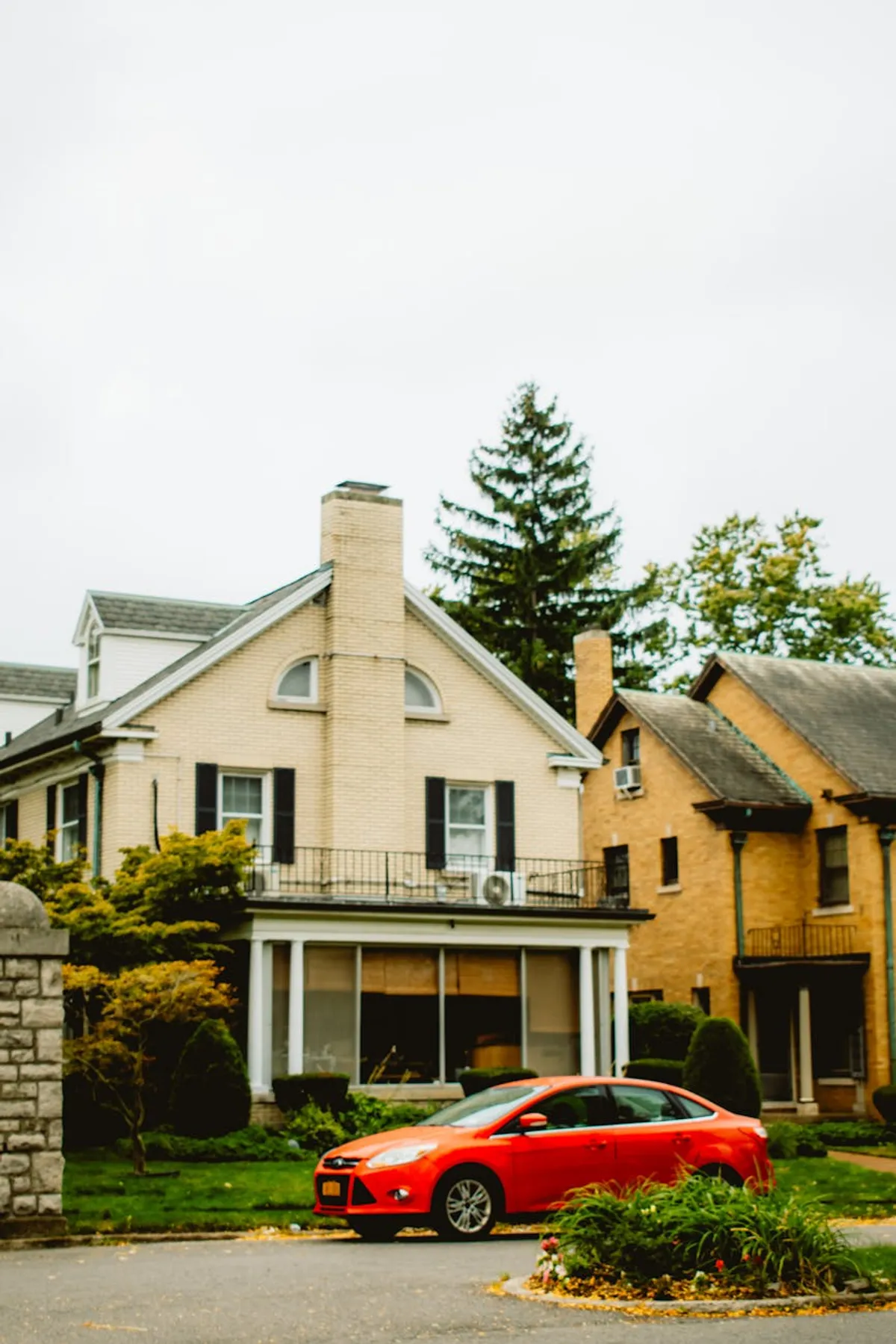
When Sam’s father needed more help than he could get at home, the family narrowed their options down to two. One was a ninety-two-unit assisted living community a mile from the highway, with a chef, a salon, and a welcome packet in a glossy folder. The other was a six-bedroom house on a quiet street a few miles away, with a shared dining table, a provider named Maria who had been running the home for fifteen years, and residents who all seemed to know each other. Both licensed. Both appropriate for his father’s care needs. Similar monthly cost.
Sam could not figure out which one was the right answer. He was not alone. Most families who research senior care run into some version of this question, and most articles about it either stay vague or drift into advertorial. This is the honest comparison.
The core difference in one sentence
A board and care home is a small residential care home where four to fifteen older adults live together in a real house and receive help from a small, stable care team. An assisted living community is a larger residential setting where dozens to hundreds of older adults live in individual apartments and receive help from a rotating staff organized by shift.
Everything else, including cost, care level, regulation, and best fit, flows from that difference in scale.
Size and feel
The size difference is the single most important thing to understand. A small board and care home serves between four and fifteen residents in a single-family house. A traditional assisted living community serves anywhere from fifty to two hundred and fifty residents in an apartment-building format, sometimes with additional wings for memory care and independent living. The physical difference produces everything else.
In a board and care home, every resident eats at the same table. The staff know every resident’s name, medication schedule, dietary preferences, and family situation. A new resident is welcomed by the other residents the way you would be welcomed to a new roommate situation. The daily rhythm is the rhythm of a household: breakfast, morning activities, lunch, afternoon rest, dinner, evening television, bed.
In an assisted living community, most residents have their own small apartment with a kitchenette, a bathroom, and space for their own furniture. Meals are served in a central dining room at scheduled times. There is usually a printed weekly calendar of activities: exercise class, movie night, crafts, bingo, outings. Staff rotate by shift, and most residents are cared for by different people on different days. The daily rhythm is more like a quiet hotel with programming.
Neither setting is better in the abstract. They are different, and the difference matters enormously for specific residents.
Cost and what it includes
Both settings are usually paid for privately, with long-term care insurance, VA Aid and Attendance, or state Medicaid waiver programs helping some families. Rough monthly ranges as of the most recent national cost of care survey:
| Setting | Shared room (monthly) | Private room or apartment (monthly) |
|---|---|---|
| Small board and care home | $4,000 to $7,500 | $5,500 to $10,000+ |
| Traditional assisted living | $4,000 to $8,500 (rare; most are private) | $4,500 to $8,500 |
| Memory care unit (in assisted living) | — | $5,500 to $10,000+ |
These numbers vary by region and by individual home. Expensive coastal markets in California, Washington, the New York metro area, and parts of New England run well above these ranges. Lower-cost regions in the South and Midwest run below.
What is included at the base rate:
- Board and care home: Room, three meals a day plus snacks, housekeeping, laundry, personal care, medication management, and supervision. Most homes charge extra only for very high care needs or incidentals.
- Assisted living: The apartment and most meals. Care services are often billed in tiers (level one care, level two care, and so on), with the monthly rate rising as care needs increase. Ancillary services like salon, cable television, and transportation are sometimes billed separately.
The headline number matters less than what you actually pay six months in. Ask any home or community for a written breakdown of the all-in cost for someone with your person’s specific care profile.
Staffing and care ratios
This is where the two settings diverge most sharply. In a six-bed board and care home with two caregivers on duty during the day, the ratio is one caregiver for every three residents. In a small home with one caregiver on duty overnight, the ratio is one for six. These are the highest staff-to-resident ratios in licensed senior care.
In a traditional assisted living community, daytime ratios are typically one caregiver for every eight to twelve residents. Night ratios are often one for twenty or more. Community-wide, there are also nurses, medication technicians, an activities team, dining staff, and housekeeping. The total staff count is higher, but the caregiving ratio per resident is lower.
For a resident who needs frequent hands-on help (transfers, redirection, incontinence care, medication supervision), the higher ratio of a board and care home often translates to better daily care. For a resident who is mostly independent and needs help only occasionally, the lower ratio of assisted living is plenty.
Services and amenities
This is where assisted living usually wins on paper. A large community typically offers:
- Multiple dining venues
- An activities program with daily options
- An on-site salon
- Fitness classes and a small gym
- Scheduled transportation to appointments and outings
- A full-time nurse on staff
- Memory care unit as a separate wing for advanced dementia residents
- Sometimes a pool, a library, a theater room, a bistro
A board and care home typically offers:
- Home-cooked meals at a shared table
- Basic social activities (conversation, television, simple outings, family visits)
- Medication management
- A quiet, predictable environment
- Close relationships with the care team
For residents who value structured programming and amenities, an assisted living community can feel like a real step up in quality of life. For residents who find the bustle of a large community exhausting, a board and care home feels like finally being able to rest.
Regulation and oversight
Both settings are licensed and inspected by state agencies. In most states, small board and care homes and larger assisted living communities fall under the same licensing framework, with different size thresholds and somewhat different regulations. A few states (California is the clearest example) license both under the same RCFE category, with the same rules scaled to size.
In every state, licensing records and inspection reports are public. You can look up any licensed home or community in your state’s licensing database and see the current license status, the capacity, any citations, and any substantiated complaints. Every listing on AgeSong links directly to the state record. Verify every home before you visit, and verify again before you sign a move-in agreement.
One practical note: citations in a small home can look dramatic because there are only a handful of residents, so a single complaint can represent a larger percentage of the population. Citations in a large community can look modest for the same reason. Read the substance of the inspection findings, not just the count.
The comparison summary
| Board and Care Home | Assisted Living Community | |
|---|---|---|
| Typical size | 4 to 15 residents | 50 to 250+ residents |
| Setting | Single-family house | Apartment building |
| Meals | Home-cooked at a shared table | Central dining room on schedule |
| Staff-to-resident ratio (daytime) | 1:3 to 1:5 | 1:8 to 1:12 |
| Care level ceiling | Basic and intermediate personal care | Basic to higher intermediate, sometimes memory care |
| Amenities | Minimal | Often extensive |
| Monthly cost (shared) | $4,000 to $7,500 | Usually private rooms only |
| Monthly cost (private) | $5,500 to $10,000+ | $4,500 to $8,500 |
| Best for | Residents who want quiet, consistency, and a family feel | Residents who want independence, amenities, and activity |
| Worst for | Residents who thrive on variety and programming | Residents who would feel lost in a crowd |
Who is better served by a board and care home
A board and care home tends to be the better choice for:
- Residents with early to mid-stage dementia. Small, consistent, and predictable beats large, programmed, and variable for most people with memory loss.
- Quiet residents who feel overwhelmed by crowds. Some older adults were introverts all their lives and do not suddenly become social butterflies in their 80s.
- Residents whose families want the highest possible staffing ratio. Especially for those who need frequent help with transfers or medications.
- Residents with specific language, cultural, or dietary needs. Small homes can specialize in ways large communities cannot.
- Residents who prize the feeling of home. For some families this is more important than anything else.
Who is better served by assisted living
An assisted living community tends to be the better choice for:
- Residents who are still largely independent. If your person can manage their own schedule, wants their own apartment, and enjoys going out, the apartment-and-amenities model is freeing.
- Residents who value social activity. A large community offers constant opportunities for group meals, classes, and outings.
- Residents who need a continuum of care on one campus. Larger communities often offer independent living, assisted living, memory care, and sometimes skilled nursing all in one place, which can reduce the need for future moves.
- Residents who want access to an on-site nurse. Most small board and care homes do not have a nurse on staff, though most can bring in home health or hospice services.
- Families who want the reassurance of a larger organization. Some families sleep better knowing there is a corporate support structure behind the care.
How to decide for your person
The decision is rarely made on paper. It is made by walking through both settings and watching the current residents. Visit at least one of each if you can, even if you think you already know which one you prefer. Observe a meal in both. Ask the same questions in both. Pay attention to how the care team treats the current residents, not just how they treat you during the tour.
If your person is leaning toward a board and care home, browse our state directory to find licensed homes in your area. If you are still comparing options, read our guide to finding a residential care home for a step-by-step walkthrough, and our cost guide for detailed pricing by state. And if you are weighing a medical situation as well, see our comparison of board and care vs. nursing home.
Sources and further reading: California Department of Social Services, Community Care Licensing Division; Washington State DSHS Adult Family Homes program; National Institute on Aging, Assisted Living and Nursing Homes.