Ellen’s mother was doing fine in the board and care home. Then she had a stroke. Three weeks in the hospital, three weeks in a rehab facility, and now the discharge planner was saying her mother needed to go to a nursing home. Ellen did not understand. Her mother had liked the board and care home. She knew the caregivers. She had a favorite chair. Why couldn’t she just go back?
This question, in various forms, comes up for almost every family that uses small residential care. Sometimes a board and care home is enough. Sometimes it is not. The line between the two settings is not about atmosphere or preference. It is about what kind of care a person actually needs. This guide walks through how to tell the difference.
The medical line that separates the two
A board and care home (sometimes called an adult family home, personal care home, residential care facility, or RCFE, depending on the state) provides non-medical care. Room, meals, supervision, help with bathing and dressing and medication reminders. It is a place to live with professional help. The caregivers are trained to work with older adults, but they are not nurses.
A nursing home (also called a skilled nursing facility, or SNF) provides medical care. Licensed nurses are on duty around the clock. Physicians make regular rounds. The staff includes respiratory therapists, physical therapists, occupational therapists, wound care specialists, and dietitians. A nursing home is a medical facility where residents live, not a residential setting that also happens to offer care.
The line is medical. A board and care home cannot legally provide skilled nursing care. A nursing home can and does. Everything else flows from that.
What a nursing home provides that a board and care home cannot
The services that require skilled nursing care are the ones that mark the boundary:
- Complex wound care. Stage 3 or stage 4 pressure ulcers, post-surgical wounds with drains, diabetic ulcers, and infected wounds all require trained nurses to assess, dress, and document.
- IV medications and infusions. Antibiotics, chemotherapy, hydration, and nutrition delivered through an IV line are nursing tasks.
- Ventilator and respiratory support. Residents on oxygen, with tracheostomies, or on ventilators require respiratory therapy skills.
- Tube feeding. Residents who cannot eat safely and receive nutrition through a feeding tube need clinical monitoring.
- Rehabilitation. Physical, occupational, and speech therapy after a stroke, joint replacement, or serious illness.
- Post-surgical recovery. Short-term skilled care after a hospital stay until the resident is stable enough to return to a less intensive setting.
- Complex medication regimens. Residents on more than fifteen medications with frequent dose changes often need nurse oversight.
None of these fit in a board and care home. If a resident’s needs grow into this territory, a nursing home is the correct setting, at least temporarily.
What a board and care home provides that nursing homes often do not
This is where the comparison flips. For residents who do not need skilled nursing care, a board and care home usually offers advantages that a nursing home cannot match:
- Higher staff-to-resident ratios for daily hands-on care. A six-bed board and care home with two caregivers on duty has a 1-to-3 ratio. A nursing home might have a 1-to-8 or 1-to-12 ratio of certified nursing assistants during the day, and much higher at night.
- Home-cooked meals at a shared table, not institutional food on a tray.
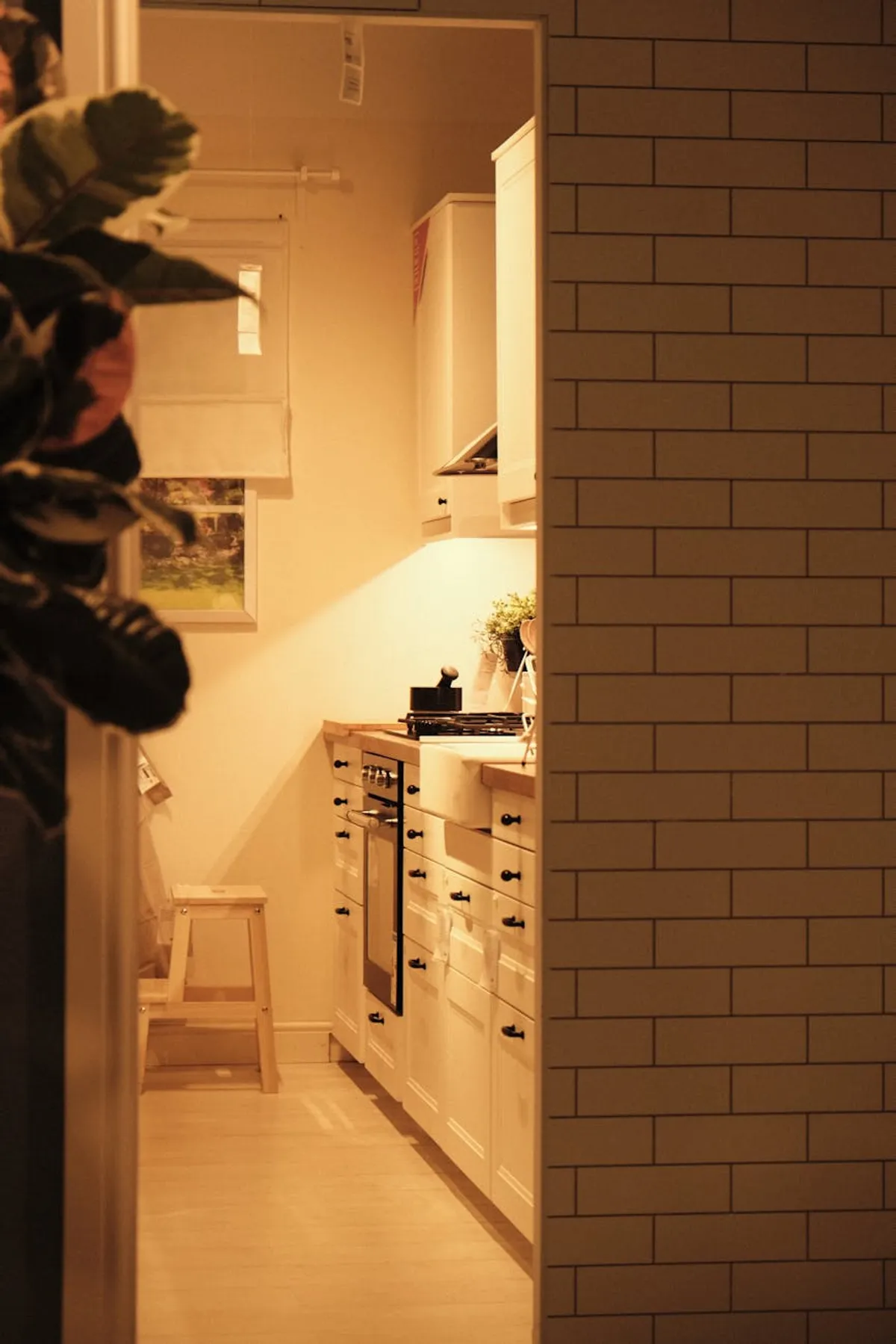
- A real home on a real street, with real windows and real furniture.
- Consistency of caregivers. In a small home, the same few people provide care week after week. In a nursing home, shift rotations mean most residents see many different caregivers.
- A quieter, less medical environment. Call bells, announcements, and the pace of clinical work are part of daily life in a nursing home. A board and care home is a residence.
Both settings serve real needs. The question is which one fits.
Which one your parent actually needs
The practical way to answer this question is to look at care tasks and ask where each one lives.
If your parent needs help with any of the following but is otherwise medically stable, a board and care home is usually appropriate:
- Bathing, dressing, and grooming
- Help walking or transferring from bed to chair
- Medication reminders and supervision
- Meals and eating assistance
- Supervision for safety and wandering
- Emotional support and companionship
If your parent needs any of the following on an ongoing basis, a nursing home is usually required:
- Licensed nurse assessment and treatment around the clock
- Complex wound care
- IV medications
- Ventilator, tracheostomy, or complex respiratory care
- Tube feeding
- Daily rehabilitation therapy (short-term, usually after a hospital stay)
- Management of unstable medical conditions that change frequently
In practice, many residents move between the two settings over time. A parent in a board and care home has a stroke, spends time in a hospital and then a skilled nursing facility for rehab, and then returns to the board and care home once the medical situation stabilizes. Another parent lives in a board and care home for years and only moves to a nursing home in the final weeks of life if symptoms become too complex to manage outside a medical setting. Many board and care residents never need a nursing home at all, because hospice services bring end-of-life medical care to the resident’s home.
Aging in place with hospice and home health
One of the underappreciated features of a board and care home is that it can be a place to age in place through the end of life. Licensed board and care homes can admit or keep residents who receive hospice services from an outside hospice agency. The hospice team handles the medical side (pain management, symptom control, medical equipment, visits from hospice nurses). The home handles the day-to-day care. Families often find that a resident who has lived in a board and care home for years prefers to die in that home rather than in a hospital or nursing home.
Similarly, a board and care home can admit or keep residents who receive home health services after a hospital stay. The home health team (physical therapist, occupational therapist, or nurse) comes to the house to provide short-term skilled services. This arrangement can keep a resident in the board and care setting through a recovery period that would otherwise have required a move to a skilled nursing facility.
The key is that the state license of the board and care home allows these arrangements. Most states do, within reasonable limits. Ask any home you are considering how they handle residents on hospice or home health.
Cost differences
Nursing homes are generally more expensive than board and care homes when paid privately. Private pay rates for a nursing home commonly run $9,000 to $14,000 per month, and in high-cost regions can exceed $15,000. Board and care homes, as discussed in our cost guide, typically range from $4,000 to $10,000 per month depending on state, room type, and care level.
However, cost comparisons get complicated by how payment works. Nursing homes are routinely paid by Medicaid for residents who qualify financially, which means a nursing home can end up costing a family nothing out of pocket once Medicaid kicks in. Board and care homes are usually paid privately, and Medicaid coverage (where it exists at all) is typically limited to care services and does not cover room and board. So a family might face an out-of-pocket cost of $5,000 per month for a board and care home but nothing for a nursing home, even though the sticker price of the nursing home is higher.
This is one reason families sometimes end up in nursing homes even when a board and care home would be medically appropriate. It is also a reason the transition from private pay to Medicaid is worth thinking through early, ideally with the help of an elder law attorney.
How Medicaid treats each setting
Nursing homes: Medicaid covers skilled nursing care in every state for eligible residents. Eligibility rules vary, but in general residents must have low income and limited assets, and they must meet medical criteria for nursing home level of care. Medicaid-certified nursing homes (most of them) accept Medicaid as payment once a resident qualifies.
Board and care homes: Medicaid coverage is state-specific and generally limited. Several states operate Home and Community-Based Services (HCBS) waiver programs that cover care services (but not room and board) in licensed residential care homes for eligible residents. Washington’s COPES waiver is one example. California’s Assisted Living Waiver is another. Participating homes are a small subset of all licensed homes, and waiver slots are often limited. If Medicaid coverage is critical to your plan, ask each home directly whether they accept Medicaid and under which program.
For a deeper walk-through of funding options in board and care homes, see our cost guide.
How to make the decision for your person
Start by getting an honest assessment of what care your person actually needs today, not what they might need in six months. The best sources for that assessment are a physician who knows your parent well, or a geriatric care manager (a professional who specializes in assessing and coordinating care for older adults). A hospital discharge planner is another reasonable source, though they tend to default toward higher levels of care.
Once you have a clear picture of the daily care needs, the choice often becomes obvious. If the care required is personal, supportive, and non-medical, a board and care home is the right setting. If the care required is clinical, a nursing home is the right setting.
In the in-between cases (and there are many), the right answer is often to start with the less intensive setting and bring medical services in as needed, rather than defaulting to a nursing home. Most families find that a small home plus home health or hospice produces better daily quality of life than a nursing home alone.
The next step
If you are researching board and care homes, browse our state directory to see what is available in your area. Every listing links directly to the official state licensing database so you can verify the current license status and inspection history. If you are still learning the landscape, our cornerstone guide to board and care homes covers the basics in depth, and our comparison of board and care vs. assisted living walks through that other common decision point.
Sources and further reading: Centers for Medicare and Medicaid Services, Nursing Home Care; Medicaid.gov, Home and Community Based Services; National Institute on Aging, Choosing a Nursing Home.