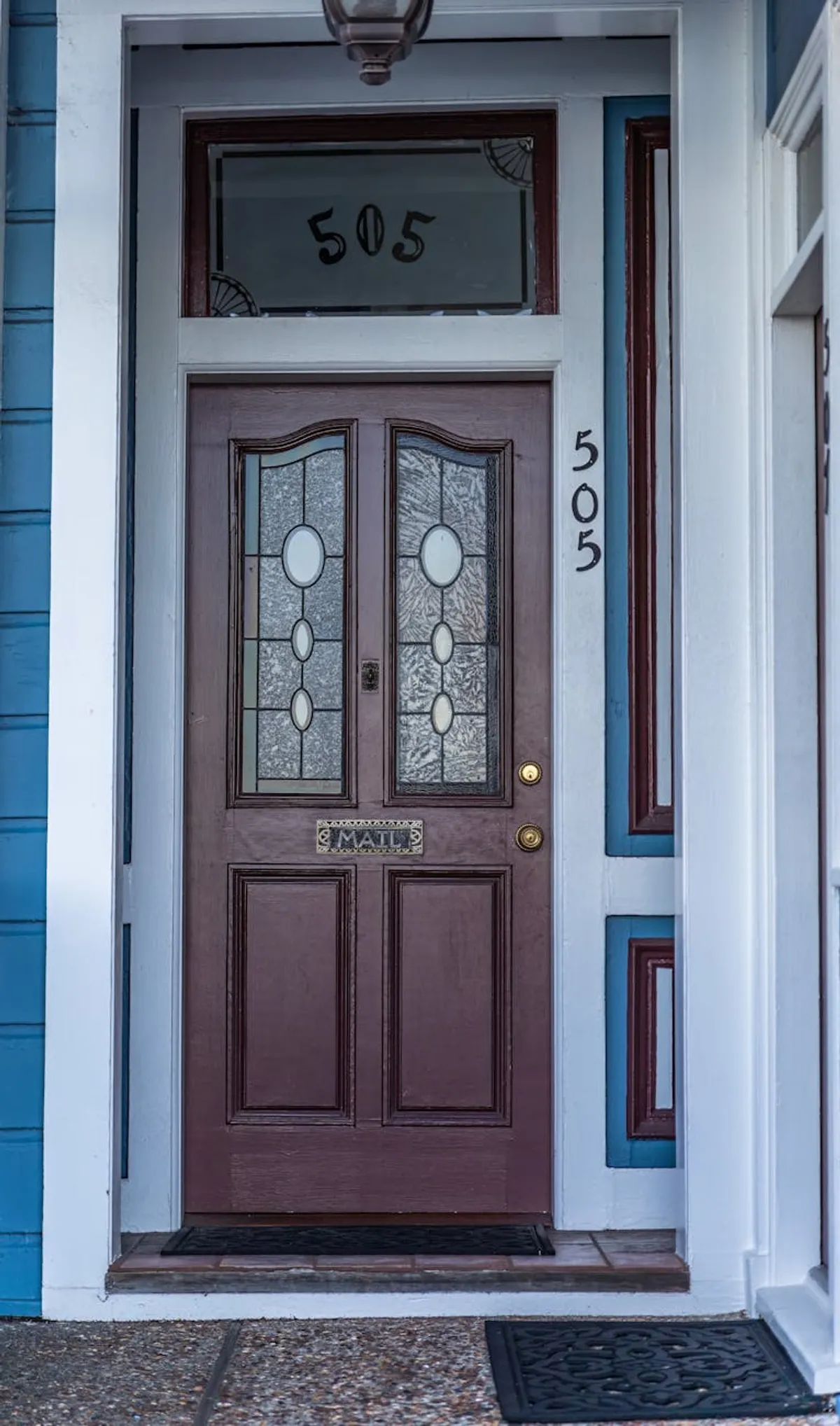
The house on Maple Street still has its original front porch. The swing creaks in the afternoon breeze the same way it did forty years ago, when the family who built it raised three children inside those walls. Today, six older adults live there. A caregiver sets the table for dinner while one resident tends the raised garden beds out back and another reads in the living room. The county licensing inspector visited last month and found everything in order.
This house holds two stories at once: the story of a family home, and the story of how Americans have cared for aging neighbors across three centuries of trial, error, and hard-won progress. To understand why small residential care homes exist in their current form, and where they are heading, it helps to look backward first.
Before Licensing: Boarding Houses and Family Arrangements
For most of American history, growing old and needing help meant relying on family. Colonial-era communities expected adult children to care for aging parents. When no family was available, towns sometimes paid local households to take in elderly residents, a practice that resembled foster care more than anything we would recognize as a care facility today.
By the late 1800s, urbanization and the rise of wage labor made multigenerational households harder to sustain. Charitable organizations, many of them church-affiliated, opened “old age homes” in converted houses and small buildings. These were not medical facilities. They offered a room, meals, and basic supervision for people who could no longer manage alone.
The early twentieth century saw the emergence of private boarding houses that accepted older adults alongside other tenants. Some were well-run homes operated by compassionate landlords. Others were overcrowded, unsanitary, and exploitative. The distinction between a decent boarding house and a dangerous one was largely invisible to the families paying for a loved one’s room.
The Social Security Act of 1935 changed the economic landscape. For the first time, older Americans had a guaranteed income stream, modest as it was. But the original legislation included a provision that barred payments to residents of public institutions, a rule intended to discourage the use of state-run poorhouses. The unintended consequence was explosive growth in private boarding homes and rest homes, which were not classified as public institutions and therefore could accept residents who received Social Security checks. According to historians who have studied this period, the number of private rest homes and boarding homes grew rapidly through the 1940s and 1950s, largely unregulated and enormously variable in quality.
The Nursing Home Era and the Institutional Model
The passage of Medicare and Medicaid in 1965 transformed elder care in the United States. For the first time, federal dollars flowed directly into long-term care, but almost exclusively into skilled nursing facilities. The reimbursement structure rewarded institutional models: large buildings, medical staffing hierarchies, hospital-like routines. Nursing homes became the dominant form of paid elder care in America within a single decade.
By 1970, according to data from the National Center for Health Statistics, there were roughly 13,000 nursing homes in the United States serving over one million residents. That number would continue to climb. The model was efficient in the narrow sense that it concentrated medical resources, but it came at a profound human cost. Residents lived in semi-private rooms along long corridors. Meals were served on institutional schedules. Activities were organized in large groups. The architecture and daily rhythms of these facilities were designed around the needs of staff and regulators, not the people who lived there.
Reports of neglect and abuse in nursing homes accumulated throughout the 1970s and early 1980s. Congressional hearings documented shocking conditions in some facilities. The 1986 Institute of Medicine report, “Improving the Quality of Care in Nursing Homes,” found widespread problems with quality of care and quality of life. That report led directly to the Nursing Home Reform Act of 1987 (part of the Omnibus Budget Reconciliation Act), which established federal standards for nursing facilities participating in Medicare and Medicaid, including requirements for resident rights, care planning, and quality of life.
But even as federal regulation improved nursing home standards, a deeper question lingered: was the institutional model itself the problem?
The Backlash: How Small Residential Care Emerged as an Alternative
Through the 1970s and 1980s, families, advocates, and some forward-thinking state officials began exploring alternatives to the nursing home model. The idea was simple, even if the execution was complicated. Most older adults who needed help with daily activities did not need the level of medical care provided in a skilled nursing facility. What they needed was a safe, supportive place to live where someone could help with meals, medications, bathing, and the quiet daily tasks that become difficult with age.
Small residential care homes offered exactly that. A handful of residents in a converted family home, cared for by a small staff or a live-in caregiver, with routines that resembled everyday life rather than hospital schedules.
The challenge was creating a legal and regulatory framework for this kind of care. States began developing new licensing categories, each reflecting local political realities, existing regulatory structures, and the particular needs of their populations. The result was a patchwork system that persists to this day, with different states using different names, rules, and oversight structures for essentially the same model of care.
State-by-State Evolution
California was among the first states to create a distinct licensing category for small residential care homes. In 1985, the state established the Residential Care Facility for the Elderly (RCFE) license, administered by the Department of Social Services Community Care Licensing Division. The RCFE category covered homes ranging from 1 to 150 beds, but the vast majority of licensed RCFEs were small homes with six or fewer residents. California’s system became a national reference point for how to regulate non-medical residential care.
Washington State took a different approach. The Adult Family Home Act of 1989 created a licensing framework specifically for homes serving two to six adults in a residential setting. Washington’s adult family homes were required to be operated by a provider who lived in the home or was regularly present, creating an intentionally intimate care model. Today, Washington has more than 3,200 licensed adult family homes, one of the highest concentrations of small care homes in the country.
Oregon developed its own model through adult foster homes, licensed to serve up to five residents in a caregiver’s personal residence. Oregon’s system placed particular emphasis on integrating adult foster homes into the Medicaid-funded continuum of care, making them accessible to lower-income residents from early on.
Other states followed with their own variations. Arizona licenses Assisted Living Homes for up to 10 residents. Florida’s Adult Family Care Homes serve up to five. North Carolina’s Family Care Homes are capped at six. Georgia and Pennsylvania use the term Personal Care Home. Michigan licenses Adult Foster Care Homes for up to six residents under a family home license.
Each of these frameworks reflects a state’s attempt to answer the same question: how do you ensure quality and safety in a care setting that is, by design, supposed to feel like a home rather than a facility? If you are exploring care options, understanding what a board and care home actually is and how it differs from larger assisted living facilities is an important first step.
The Culture Change Movement
While states were building licensing frameworks for small care homes, a parallel movement was reshaping thinking about long-term care from the inside out.
In 1991, Dr. Bill Thomas introduced the Eden Alternative at Chase Memorial Nursing Home in New Berlin, New York. The core idea was that the three plagues of institutional life, loneliness, helplessness, and boredom, could be addressed by redesigning the care environment. Thomas brought plants, animals, and children into the nursing home. He reorganized care around the needs and preferences of individual residents rather than institutional routines. The results, documented in subsequent research, showed improvements in resident well-being and reductions in medication use.
Thomas went further with the Green House Project, launched in 2003. Green House homes are purpose-built residences for 10 to 12 elders, each with private rooms, a shared kitchen and living area, and a care team organized around a radically flattened hierarchy. The certified nursing assistants, called Shahbazim (a Persian word meaning “royal falcon”), handle cooking, cleaning, and personal care, building deep relationships with residents through consistent daily contact.
Research on the Green House model has been encouraging. A study published in the journal Health Services Research found that Green House residents reported higher quality of life and satisfaction compared to residents in traditional nursing homes, with comparable or better clinical outcomes. As of 2025, more than 380 Green House homes operate across the United States.
The culture change movement gave intellectual and philosophical backing to what small care home operators had often practiced intuitively: that care works best when it happens in a setting that feels like a real home, with consistent caregivers who know each resident as a person. The advantages and trade-offs of small care settings are deeply connected to these principles.
Where Small Care Homes Stand Today
The landscape of small residential care has grown substantially since those early licensing frameworks of the 1980s. While no single national database tracks every small care home in the country, estimates compiled from state licensing records suggest there are more than 40,000 licensed small residential care facilities (homes with roughly 2 to 15 beds) operating across the United States. In states with mature licensing systems, like California, Washington, and Oregon, small care homes make up a significant portion of the overall long-term care supply.
The people who live in these homes are as varied as the homes themselves. Some residents have early-stage dementia and need a secure, low-stimulation environment. Some are recovering from a stroke or surgery and need short-term support before returning to independent living. Some are in their nineties and simply need help with the daily tasks, cooking, bathing, managing medications, that have become too difficult to do alone. Understanding who lives in these homes helps paint a clearer picture of what daily life looks like.
Several forces have driven the growth of small care homes over the past two decades. Consumer preference is one. Surveys conducted by AARP consistently find that the overwhelming majority of older Americans prefer to age in home-like settings rather than institutional ones. When independent living is no longer feasible, a small care home with six residents and a garden is closer to that ideal than a 120-bed facility with overhead paging systems and shared hallways.
Medicaid waiver programs have also played a crucial role. The federal government’s Home and Community-Based Services (HCBS) waiver program, authorized under Section 1915(c) of the Social Security Act, allows states to use Medicaid dollars to fund care in residential settings as an alternative to nursing homes. According to data from the Medicaid and CHIP Payment and Access Commission (MACPAC), HCBS spending has grown steadily and now accounts for more than half of all Medicaid long-term services and supports spending nationally. This shift has made small care homes financially accessible to many families who could not afford to pay entirely out of pocket, a topic explored in detail in our guide to how Medicaid pays for residential care.
State regulators have also become more sophisticated in how they oversee small care homes. Licensing requirements, inspection protocols, and complaint investigation processes have matured significantly since the early days. While the quality of oversight varies from state to state, the general trajectory has been toward stronger consumer protections and greater transparency.
The Future: What Comes Next for Small Residential Care
The demographic picture alone tells you where this is heading. According to U.S. Census Bureau projections, the population aged 65 and older will grow from roughly 58 million in 2022 to over 82 million by 2050. The 85-and-older population, the group most likely to need daily assistance, will nearly triple during that period. The demand for all forms of long-term care is going to increase dramatically, and the preference for home-like settings shows no sign of reversing.
Workforce challenges. The single greatest constraint on the growth of small care homes is staffing. Caregivers in residential settings are among the lowest-paid workers in the healthcare economy. According to the Bureau of Labor Statistics, the median annual wage for home health and personal care aides was approximately $33,530 in 2024. Turnover rates are high, recruitment is difficult, and the workforce pipeline is not growing fast enough to meet projected demand. States that want to expand their small care home supply will need to invest in caregiver wages, training pathways, and support systems. Some states, including Washington, have begun tying Medicaid reimbursement rate increases to caregiver wage requirements.
Technology integration. Small care homes are beginning to adopt technologies that were once limited to larger facilities. Remote health monitoring, medication management systems, fall detection sensors, and electronic health records are becoming more affordable and easier to deploy in residential settings. These tools can help small home operators manage care more effectively without sacrificing the personal, low-tech feel that makes the model appealing. The challenge is integration. Technology works best when it supports caregivers rather than replacing the human connection that defines good small home care.
Medicaid waiver expansion. The long-term trend in Medicaid policy has been toward funding community-based care. The Biden administration’s proposed investments in HCBS, while only partially realized through legislation, signaled a bipartisan recognition that the institutional bias in Medicaid spending needed to change. States continue to expand their waiver programs, and several have used American Rescue Plan Act (ARPA) funding to strengthen their HCBS infrastructure. If this trajectory holds, more families will be able to afford small care home placements through Medicaid, driving further growth in the sector.
The shift away from institutional models. Across the long-term care industry, there is growing consensus that smaller is better, at least for the majority of older adults who do not require intensive skilled nursing. The COVID-19 pandemic reinforced this view with devastating clarity. Larger congregate care facilities experienced higher rates of infection and death than smaller, more isolated settings. Research published by the National Bureau of Economic Research and other institutions found that facility size was a significant predictor of COVID-19 outbreaks, with smaller homes faring better on average. This evidence accelerated a shift that was already underway and gave new urgency to the question of how to build a care system that relies less on large institutions.
New operator models. The next generation of small care home operators is emerging. Some are career caregivers who have worked in larger facilities and want to build something more personal. Some are families who have navigated the care system for their own parents and see an opportunity to create the kind of home they wished they could have found. State programs that support new operators, including training, licensing assistance, and startup financing, will be critical to meeting future demand. For those considering this path, our guide on how to start a care home provides a starting point.
Housing and zoning. One often-overlooked barrier to small care home growth is local zoning law. Many municipalities restrict or prohibit residential care uses in single-family neighborhoods, even when the home looks identical to every other house on the block. As demand grows and policymakers seek to expand community-based care options, zoning reform may become a significant factor. Several states, including California and Washington, have passed laws that limit local governments’ ability to exclude small care homes from residential zones.
Why This Matters for Families Searching Right Now
If you are reading this because you are looking for care for a parent, a spouse, or another person you love, the history of small residential care may feel abstract. But it is not. The licensing system that protects your family member today exists because of decades of advocacy, legislative work, and hard lessons learned from periods when vulnerable people were warehoused in unregulated settings. The fact that you can look up a home’s inspection history, verify its license status, and compare your options across a state directory is the product of that long arc.
The model is not perfect. Staffing shortages are real. Not every licensed home provides excellent care. Some regions have more options than others, and cost remains a barrier for many families. Understanding how much care actually costs is an essential part of the planning process.
But the direction is clear. The United States is slowly, unevenly, and sometimes reluctantly building a care system that gives older adults more choices about where and how they live. Small residential care homes are a central part of that shift. They represent a return to something very old, the idea that people should be cared for in homes rather than institutions, expressed through modern licensing, professional caregiving, and an evolving understanding of what aging well actually requires.
The house on Maple Street is one small example. There are tens of thousands like it, in every state, in every kind of community. They exist because families demanded something better than the institutional model, and because caregivers, advocates, and legislators built the frameworks to make it possible.
Your Next Step
If you are beginning to explore small care homes for someone you love, start by understanding what options exist in your state. Browse our state-by-state directory to find licensed homes near you, or read our guide on what a board and care home is to ground yourself in the basics. The more you know about how this world works and why it works the way it does, the more confident you will feel making a decision that fits your family’s needs.