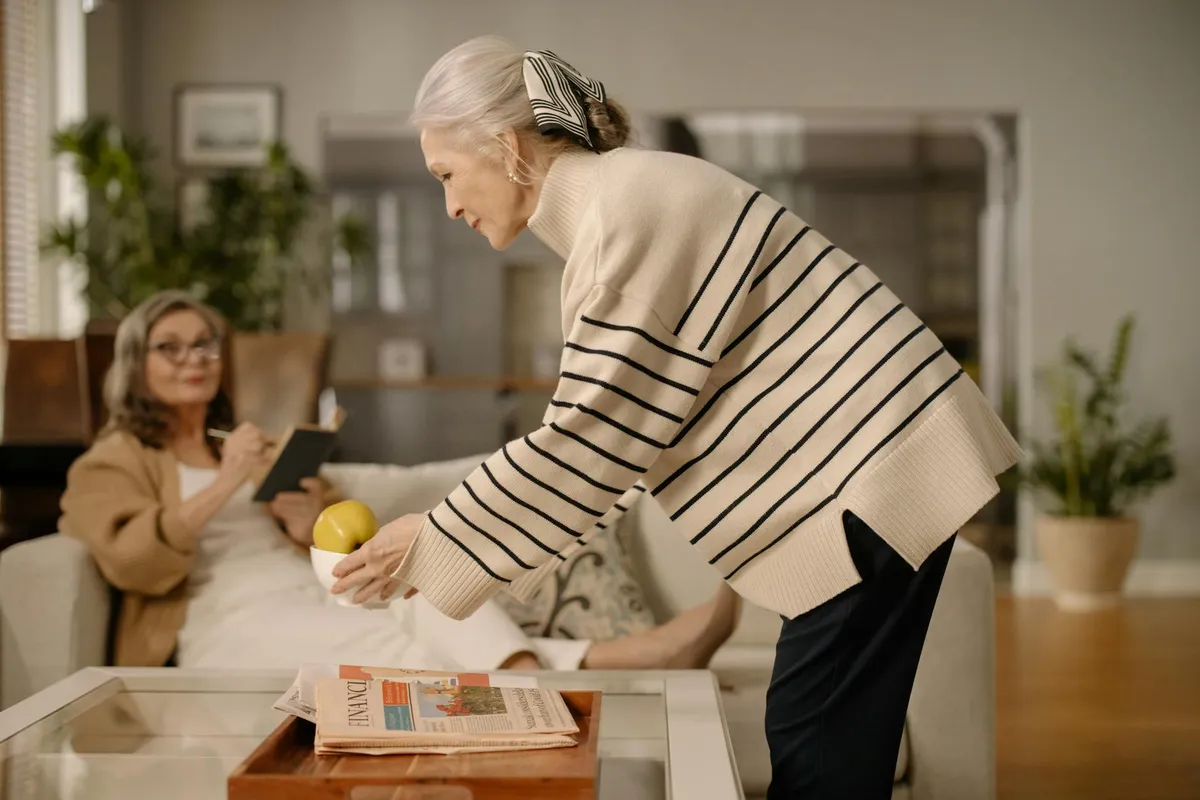
Washington State is one of the rare places in America where the small residential care home model is the dominant form of long-term care, not a niche alternative. Across the state, more than 3,000 licensed adult family homes operate in ordinary houses in residential neighborhoods, providing care to over 15,000 residents. The combination of a strong licensing framework, well-developed Medicaid pathways, and a long history of small-home preference has made Washington a national leader in this care model.
This guide is the comprehensive family resource for understanding adult family homes in Washington, finding a good one, paying for it, and verifying its track record. For broader context on the model itself, see our main board and care home guide, our comparison of adult family homes and board and care, and the adult family homes terminology page.
What an adult family home is, in Washington terms
An adult family home (AFH) in Washington is a residential home licensed by the state to provide room, board, laundry, necessary supervision, and personal care to up to six adults. The six-resident cap is a hard maximum, not a typical size. The result is a remarkably consistent product across the state in terms of size and feel: every adult family home you tour will have at most six bedrooms and a household scale of operation.
The category was established in Washington in 1989 as part of the state’s broader move away from institutional long-term care toward smaller community-based settings. Over the following decades, Washington built one of the most sophisticated regulatory frameworks for small residential care in the country, including specialty designations for dementia and mental health care, extensive caregiver training requirements, and strong Medicaid funding pathways. The result is a small-home market that is bigger, better-regulated, and more accessible to lower-income residents than in most other states.
Licensing and regulation
Adult family homes in Washington are licensed and regulated by the Department of Social and Health Services (DSHS), specifically by Residential Care Services within the Aging and Long-Term Support Administration (ALTSA).
Capacity and basic structure
Every adult family home is licensed for up to six adult residents, regardless of the size of the house. Some homes operate at full capacity. Some operate with fewer residents by choice. Specialty designations (dementia care, mental health care, developmental disability care) require additional training and are issued as endorsements on the base license.
Provider requirements
The provider (the licensee) must:
- Be at least 21 years old
- Pass a criminal background check
- Complete a 70-hour Adult Family Home Administrator course
- Complete dementia and mental health specialty training if the home will serve those populations
- Maintain ongoing continuing education
- Meet financial responsibility requirements
- Maintain liability insurance
The provider often lives in the home or operates one or two homes hands-on. This is a meaningful difference from larger assisted living facilities, where the administrator is typically a professional manager rather than a hands-on caregiver. In Washington adult family homes, the provider is usually an integral part of daily care.
Caregiver training
Direct caregivers in adult family homes must complete state-approved training that includes:
- 75-hour Home Care Aide certification (which leads to the Home Care Aide credential issued by the Department of Health)
- Dementia specialty training (12 hours) if the home is licensed for dementia care
- Mental health specialty training (6 hours) if the home is licensed for mental health
- Annual continuing education (12 hours per year)
- Medication assistance training if the caregiver will assist with medications
These requirements are some of the most extensive caregiver training requirements in the country for residential care, and they are part of why Washington adult family homes are widely regarded as a strong setting for higher-acuity residents who would otherwise need institutional care. The full training requirements are documented on the DSHS Adult Family Home page.
Inspections
DSHS inspects every adult family home at least once every 12 to 18 months as part of the regular licensing renewal process. Additional inspections happen in response to complaints, in response to specific incidents, and for follow-up on previous citations. The inspector visits the home, reviews documentation, observes care, talks to residents, and produces a written report. Citations are documented and the home submits a plan of correction within a specified time frame.
How to search the Washington Provider Lookup
The DSHS Provider Lookup is the official, public, free database of every licensed adult family home (and other long-term care provider) in Washington. You can search by:
- Provider name
- City
- License number
- License type (select “Adult Family Home”)
Each provider page displays:
- Current license status
- License number and effective dates
- Address
- Capacity and licensed care types
- Specialty designations (dementia, mental health, etc.)
- Recent inspection results
- Citations and enforcement actions
- Owner information
For families building a shortlist, the Provider Lookup is the most important due diligence tool you have. Verify license status, read the inspection records, and look at any enforcement actions before scheduling tours. Our guide on reading inspection reports walks through what to look for.
Cost ranges in Washington
Adult family home costs vary by region, with the Seattle metro area being significantly more expensive than the rest of the state. Approximate ranges for a private room with basic personal care, as of 2026:
- Seattle metro area (King, Snohomish, Pierce counties): $5,500 to $9,000 per month for a private room with basic care, with higher-end neighborhoods running $8,000 to $11,000+
- Bellevue and the Eastside: $6,000 to $10,000 per month, with premium homes higher
- Tacoma and South Sound: $5,000 to $8,000 per month
- Olympia and Thurston County: $5,000 to $8,000 per month
- Spokane and Eastern Washington: $4,500 to $7,500 per month
- Vancouver and Southwest Washington: $5,000 to $8,000 per month
- Smaller markets and rural areas: $4,000 to $7,000 per month
These ranges are for relatively independent residents. Memory care, advanced acuity, two-person transfer needs, and behavioral support add $1,000 to $3,000 per month or more. Premium services (private room, single-occupancy bathroom, garden access) add cost on top of that.
For context on how cost is structured and what is typically included in the base rate, see our cost guide.
Paying for adult family home care in Washington
Washington has one of the most well-developed funding systems for adult family home care in the country. The funding sources, ranked roughly by frequency of use:
Medicaid (COPES and Community First Choice)
Washington’s Medicaid pathway for adult family home care is the strongest in the nation. The two main programs:
COPES (Community Options Program Entry System) is Washington’s primary HCBS waiver for long-term care services delivered outside nursing homes. COPES covers care services in adult family homes for eligible Medicaid beneficiaries who meet nursing-facility level of care. The COPES program is administered by DSHS Aging and Long-Term Support Administration.
Community First Choice (CFC) is a Medicaid State Plan option (rather than a waiver) that provides personal care services to Medicaid-eligible individuals with functional needs equivalent to nursing-facility level of care. CFC was added in Washington in 2015 and has expanded the number of people who can receive care in adult family homes through Medicaid.
Eligibility for both programs requires meeting financial limits (Medicaid asset and income tests) and clinical limits (nursing-facility level of care assessment). Not every adult family home accepts Medicaid placements; ask the home directly. Our main Medicaid guide covers the broader picture and the application process.
Private pay
For families above the Medicaid limits, private pay is the alternative. Most private-pay residents combine Social Security, pension income, savings, and family contribution. Our seven ways to pay guide walks through the funding sources and how they fit together.
VA Aid and Attendance
Washington has a substantial veteran population, and VA Aid and Attendance is a meaningful funding source for wartime veterans and surviving spouses. The benefit can pay over $2,700 per month toward the cost of an adult family home and can be combined with other funding sources.
Long-term care insurance
Most policies issued in the last twenty years cover adult family home care. Read the policy and call the insurer’s claims line. Our long-term care insurance guide covers how to start a claim.
State Supplementary Payment
Washington provides a State Supplementary Payment (SSP) on top of federal SSI for residents in adult family homes who qualify for SSI. The supplement helps bridge the gap between SSI and the cost of care.
How to find a good adult family home in Washington
The search process follows the same basic steps as anywhere, but Washington’s resources are particularly well-suited to the small-home model.
-
Define what you need. Acuity, location, budget, and specific care requirements (dementia, mental health, behavioral support). Read our step-by-step guide to finding a residential care home.
-
Build a shortlist. Browse the Washington adult family homes directory on AgeSong for homes in your county or city. Each listing links to the official DSHS record for verification.
-
Verify each home in the Provider Lookup. Confirm active license status, capacity, and any specialty designations. Read recent inspection reports.
-
Phone-screen the shortlist. Use the questions in our tour questions guide to identify which homes are worth visiting in person.
-
Tour three to five homes. Schedule the first tour. Walk through the entire house. Meet the caregivers. Watch a meal if you can. Read our red flags guide for what to watch out for.
-
Visit the top one or two unannounced. Drop in at meal time. The home that looks the same on the surprise visit as on the scheduled tour is the one to trust.
-
Read the contract carefully. Pay attention to rate increases, discharge triggers, deposit refunds, and dispute resolution clauses.
-
Plan the move. Coordinate with the home, the family, and the parent’s medical team.
What the Long-Term Care Ombudsman does
Washington has a Long-Term Care Ombudsman Program that advocates for residents of long-term care settings, including adult family homes. The ombudsman is independent of the licensing agency and can help families think through concerns, file complaints, and resolve disputes with providers. The service is free and confidential. If you have concerns about a home and are not sure what to do about them, the ombudsman is often the right first call.
Browse the directory
The Washington adult family homes directory on AgeSong has listings for homes across the state, organized by city. Browse by city, county, or care type to build your shortlist. Every listing links to the official DSHS record for verification.
For broader context, see our state directory, our adult family home vs board and care comparison, and the adult family homes terminology page.
The next step
If you are searching in Washington, the most useful action this week is to identify your county and search the DSHS Provider Lookup for licensed adult family homes in your area. If you think Medicaid might be relevant, also call your local Home and Community Services office to start the eligibility conversation early. The whole process from first search to move-in typically takes four to eight weeks for private pay, longer if Medicaid is involved.
For the broader process, see our step-by-step guide, our questions to ask guide, and our Medicaid guide.
Sources and further reading: Washington DSHS, Aging and Long-Term Support Administration; Washington DSHS Adult Family Homes; Washington DSHS Provider Lookup; Washington COPES Program; Washington Long-Term Care Ombudsman Program; Eldercare Locator.