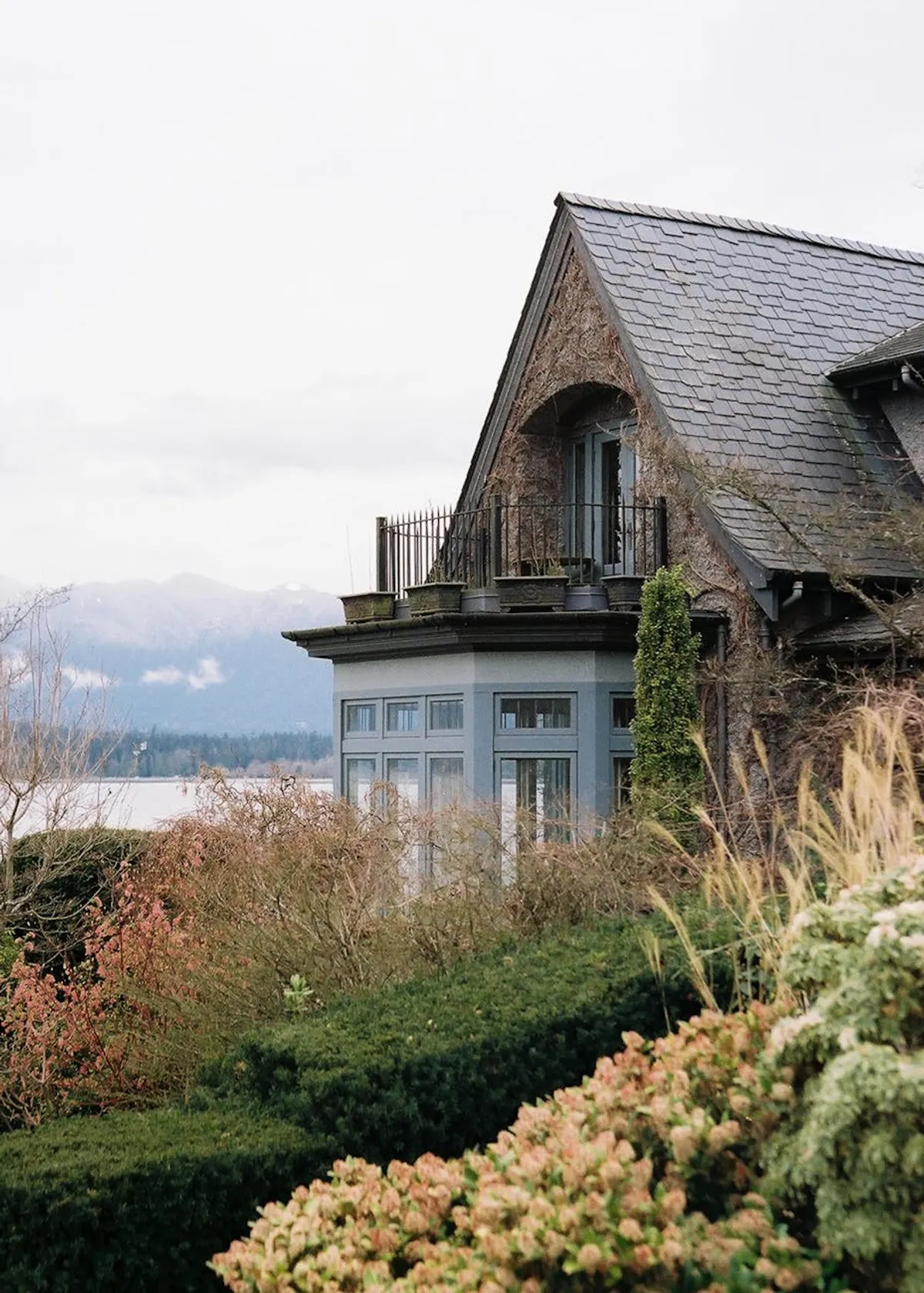
The first time Margaret toured an adult foster home in Portland, she almost drove past it. The address led her to a single-story ranch house on a residential street, with a vegetable garden on one side and a cat watching from the front window. Inside, three women and two men were finishing lunch at a dining table while the provider cleared plates and asked about someone’s grandchild. It looked like a family home because it was one.
If you are searching for care options in Oregon, Michigan, or Wisconsin, you will encounter the term “adult foster home” early and often. It is the local name for what other states call a board and care home, an adult family home, or a residential care facility. The model is the same at its core: a small group of older adults living together in a licensed private residence, with hands-on help from a caregiver who is often right there in the home. But the specific rules, the capacity limits, and the licensing structure vary meaningfully from state to state.
This guide explains what an adult foster home actually is, how the model works in the three states that use the term most, and how to evaluate whether this kind of setting is right for your family.
The adult foster home model
An adult foster home is a private residence, licensed by the state, where a small number of adults receive personal care and supervision. The residents are typically older adults who need help with activities of daily living (things like bathing, dressing, medication reminders, meal preparation, and mobility) but who do not need the round-the-clock skilled nursing that a nursing home provides.
What makes the adult foster home model distinct is scale and setting. These are not purpose-built facilities. They are houses, usually the provider’s own home, where a handful of residents share the common spaces, eat meals together, and live in something that closely resembles a family household. The provider, and in some cases additional staff, deliver care in the context of that shared domestic life.
The term “foster” in the name can be confusing. It does not mean the same thing as child foster care, though the inspiration is similar: placing a person who needs support into an existing household rather than into an institutional setting. The adult foster home concept has roots going back decades, and Oregon’s program is one of the oldest and most developed in the country.
How Oregon defines and licenses adult foster homes
Oregon’s Adult Foster Home program is administered by the Oregon Department of Human Services, Aging and People with Disabilities division. It is one of the most mature small-home care systems in the United States, with thousands of licensed homes across the state.
Capacity and structure
An Oregon adult foster home is licensed to serve a maximum of five residents. The provider typically lives in the home, sharing the household with the residents. Some homes have additional caregiving staff, especially if the provider works outside the home during certain hours or if residents have higher care needs.
The five-resident cap creates a genuinely intimate environment. Most Oregon adult foster homes serve three to five residents at any given time. With that number of people, meals happen at a single table, outings can fit in a single vehicle, and the provider knows each resident’s routines, preferences, and moods in fine detail.
Licensing and oversight
Oregon requires adult foster home providers to complete an approval process that includes background checks, home safety inspections, and caregiver training. Providers must meet ongoing training requirements, and the state conducts regular inspections. Inspection results are public, and families can look up any licensed home through the state’s provider search tool.
The state categorizes adult foster homes by the level of care they are approved to provide. Some homes are approved for residents with relatively straightforward needs. Others hold additional approvals for residents with dementia, mental health conditions, or higher physical care needs. When you are searching, ask specifically what level of care the home is licensed for, not just whether they have an open bed.
Medicaid and cost
Oregon has one of the strongest Medicaid programs for adult foster home care in the country. A significant share of Oregon adult foster home residents receive Medicaid support through the state’s home and community-based services waivers. This makes the adult foster home model accessible to a wider economic range of families in Oregon than in many other states.
Private-pay rates for Oregon adult foster homes typically range from $3,000 to $6,500 per month depending on location and level of care, though rates in the Portland metro area tend to be higher. Our guide to care home costs covers cost ranges across states in more detail.
How Michigan defines and licenses adult foster care homes
Michigan uses the term “adult foster care” and administers its program through the Department of Licensing and Regulatory Affairs (LARA). The state has a large network of licensed adult foster care homes, particularly in suburban and rural areas.
Capacity categories
Michigan divides adult foster care into several license categories based on size:
- Family home: 1 to 6 residents, in the licensee’s own home
- Small group home: 1 to 12 residents
- Large group home: 13 to 20 residents
The family home category is the closest equivalent to Oregon’s adult foster home. It is capped at six residents, the provider typically lives on-site, and the setting is a private residence. The small and large group home categories are more structured and begin to resemble what other states call assisted living.
For families searching for the intimate, household-scale experience, the family home license is the one to look for. You can verify a home’s license category through LARA’s licensing search.
Training and oversight
Michigan requires adult foster care providers to complete training that covers personal care, medication management, resident rights, and emergency procedures. The state conducts inspections and publishes the results. Providers must maintain compliance with fire safety, health, and staffing requirements.
One notable feature of Michigan’s system is that the licensing rules differ substantially between the family home tier and the group home tiers. Family homes operate with lighter regulatory infrastructure (reflecting their smaller scale) but are still subject to regular state oversight.
Medicaid and cost
Michigan offers Medicaid waiver programs that can cover adult foster care for eligible residents, primarily through the MI Choice waiver and the PACE program. Not all homes accept Medicaid, and availability varies by county. Our guide to Michigan adult foster care covers the state’s system in more depth.
Private-pay rates for Michigan adult foster care family homes generally range from $2,500 to $5,500 per month, with variation by region and care level. Rural homes tend to be on the lower end, while homes in the Detroit and Grand Rapids metro areas are typically higher.
How Wisconsin defines and licenses adult family homes
Wisconsin uses two related license categories for small residential care. The Department of Health Services, Division of Quality Assurance (DQA) oversees both.
Two categories
- Adult family home (AFH): 1 to 4 residents in a community-based residential setting. This is the closest to Oregon’s model and is the smallest license category in Wisconsin’s system.
- Community-Based Residential Facility (CBRF): 5 or more residents. CBRFs can range from small homes to larger facilities and have more extensive regulatory requirements.
The adult family home category, with its four-resident cap, creates the most intimate setting of the three states discussed here. Four residents and a caregiver in a single household is about as close to family life as licensed care gets.
Licensing and oversight
Wisconsin adult family homes must be certified by the county or licensed by the state, depending on their size and structure. Providers undergo background checks, home inspections, and training. The state’s provider search allows families to look up licensed homes and review any complaints or enforcement actions.
Training requirements for Wisconsin AFH providers include topics like resident rights, fire safety, medication management, and first aid. CBRFs have more extensive training and staffing mandates.
Medicaid and cost
Wisconsin’s Medicaid programs, including Family Care and IRIS (Include, Respect, I Self-Direct), can help cover the cost of adult family home care for eligible residents. The state has been expanding its community-based care options, though waitlists and regional availability vary. Families should contact their local Aging and Disability Resource Center (ADRC) to explore eligibility.
Private-pay costs for Wisconsin adult family homes typically fall in the range of $2,500 to $5,000 per month, depending on location and care needs.
How adult foster homes compare to other terms
The terminology for small residential care homes varies across the country. Here is how the adult foster home concept maps to other common names:
| Term | States where commonly used | Typical capacity |
|---|---|---|
| Adult foster home | Oregon, Michigan | 5 (OR), 6 (MI family home) |
| Adult family home | Washington, Wisconsin | 6 (WA), 4 (WI) |
| Board and care home / RCFE | California, Nevada | 6 common, up to 15 |
| Personal care home | Georgia, Pennsylvania | Varies |
| Family care home | North Carolina | 6 |
| Assisted living home | Arizona | Up to 10 |
Despite the different names, all of these describe the same fundamental model: a small number of older adults living together in a licensed private home with caregiver support. Our comparison of adult family homes and board and care homes goes deeper into the differences between Washington and California versions specifically.
The naming differences are not just cosmetic. They reflect different state licensing frameworks, different training mandates, and different Medicaid landscapes. When you are comparing homes across state lines, understanding the local term helps you find the right licensing database, ask the right questions, and set accurate expectations.
What daily life looks like in an adult foster home
The rhythm of life in an adult foster home is closer to living in someone’s home than to living in a facility, because that is literally what it is. Residents typically wake on their own schedule (within reason), eat meals at a shared table, spend time in common areas, and have access to a yard or patio. The provider or caregiving staff help with bathing, dressing, grooming, and medication reminders as needed.
Activities vary widely from home to home. Some providers organize outings to parks, grocery stores, or community events. Others focus more on in-home activities: puzzles, gardening, music, conversation, watching a favorite show. The smaller the home, the more the daily schedule reflects the preferences and routines of the specific people living there rather than a standardized activities calendar.
Meals are typically home-cooked and served family-style. This is one of the most consistent differences families notice between adult foster homes and larger facilities. The food is made in a home kitchen, often by the provider, and it reflects real cooking rather than institutional food service. Dietary accommodations (diabetic diets, soft foods, cultural preferences) are usually handled individually. Our guide on what a day looks like in a small care home describes this rhythm in more detail.
Medical care is brought in from outside. Adult foster homes are non-medical settings. When a resident needs skilled nursing, physical therapy, or hospice services, those are provided by outside agencies that visit the home. The provider coordinates with these outside professionals but does not replace them.
How to evaluate an adult foster home
Choosing the right adult foster home involves the same fundamentals as choosing any small care home, with a few specific considerations for the foster home model.
Check the license first
Before you visit, verify the home’s license status through the state database. Confirm the license is current, the home is approved for the level of care your family member needs, and there are no unresolved complaints or enforcement actions. Our guide to reading inspection reports walks through what to look for in the public record.
Visit in person
There is no substitute for an in-person visit. Pay attention to how the provider interacts with current residents. Notice the cleanliness and smell of the home, the condition of the bedrooms and bathrooms, and whether residents seem comfortable and engaged. Our touring guide has a detailed list of what to observe and what to ask.
Understand the provider’s role
In many adult foster homes, the provider is the primary caregiver. This means your family member’s daily experience is shaped heavily by one person’s temperament, skill, and availability. Ask about backup staffing: what happens when the provider is sick, takes a vacation, or has a family emergency? A good adult foster home has a clear backup plan. A problematic one relies entirely on a single person with no contingency.
Ask about transitions
What happens if your family member’s needs increase beyond what the home can provide? Some adult foster homes can accommodate increasing care needs, including late-stage dementia or end-of-life care with hospice support. Others have clear limits. Understanding where those limits are before you place your family member helps you plan ahead and avoid a crisis move.
Talk to existing families
Ask the provider if you can speak with family members of current or recent residents. Their perspective on communication, responsiveness, and day-to-day quality of care is more informative than any brochure or website.
The strengths and limits of the adult foster home model
Adult foster homes offer some real advantages. The small size means residents get more individual attention than in larger settings. The home environment is familiar and normalizing, which can be especially beneficial for people with early to moderate dementia. The live-in provider model creates continuity of care that is hard to match in facilities with rotating shift staff.
But the model also has limits. The small size means fewer social options. If your family member does not get along with one of the other residents or the provider, there is no wing to relocate to and no large activity program to provide alternative social outlets. The live-in provider model creates a single point of failure: if the provider burns out, gets injured, or decides to close the home, residents may need to relocate. And the informal, family-like atmosphere, while comforting, can sometimes mean less structured documentation and communication than what you would find in a larger, more corporate setting.
For a fuller discussion of the trade-offs, see our guide to the pros and cons of small care homes.
Finding adult foster homes in your state
If you are searching in Oregon, start with the Oregon DHS provider search and our Oregon adult foster home guide. If you are in Michigan, start with the LARA facility search and our Michigan adult foster care guide. For Wisconsin, start with the DQA provider directory.
You can also browse small care homes by state in our state directory, which covers all 50 states regardless of local terminology. Our guide to finding a care home offers a step-by-step process that works across all states and naming conventions.
Next steps
If an adult foster home sounds like it could be the right fit, the most productive next step is to identify two or three licensed homes in your area and schedule visits. Use your state’s licensing database to verify each home’s status and review any inspection history before you go. Bring a list of questions about staffing, care levels, costs, and what happens when needs change. And trust what you observe: the feel of the home, the interaction between the provider and residents, and whether the setting seems like a place your family member could genuinely call home.